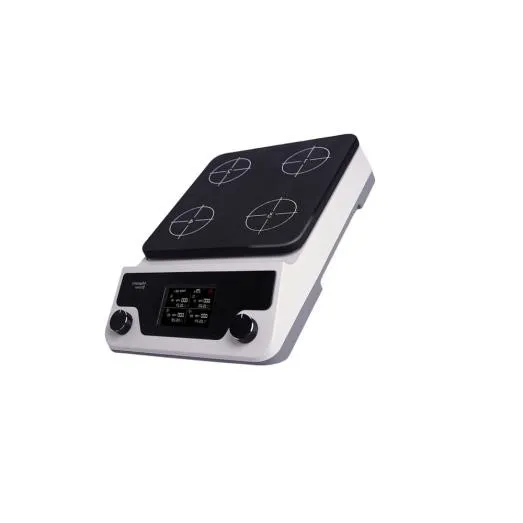
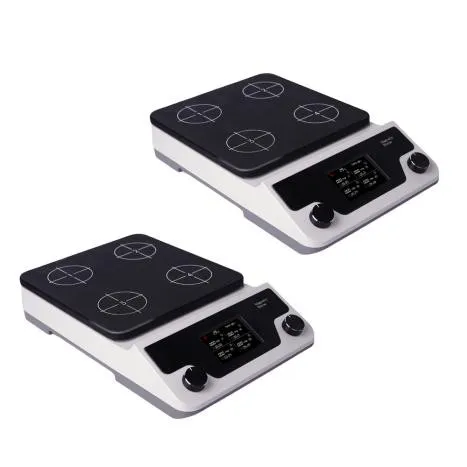
Magnetic Stirrer Used In Laboratory, Chemistry Magnetic Stirrer

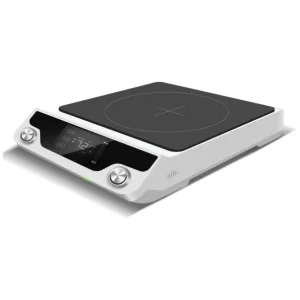
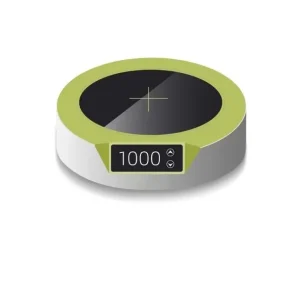
Magnetic stirrer used in the laboratory is available in single-channel and multi-channel models, featuring an intuitive LCD multi-color display for operating parameters and supporting stepless speed adjustment from 200 to 1800 rpm.

The Magnetic stirrer’s working surface is covered with a wear-resistant and corrosion-resistant glass panel, paired with a high-temperature-resistant, strong magnetic rotor and an integrated die-cast aluminum body with ceramic coating, ensuring a powerful stirring force and long-lasting durability.

Optional heating function (maximum 105°C at room temperature) with PT100 sensor enables precise temperature control, making it suitable for demanding experimental scenarios such as chemical synthesis and biological culture. The chemistry magnetic stirrer is the ideal mixing equipment for processing a wide range of liquids.

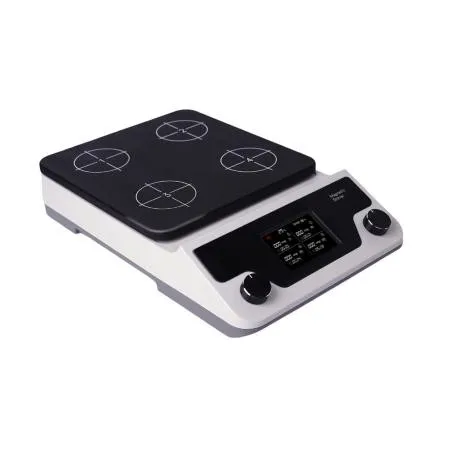
Four-channel magnetic stirrer (unheated type)

Supply voltage AC100-240V
Power 45W
Display Mode LCD
Rotational Speed 200-1600
Speed control range ±10rpm
Effective Centrifuge Time 1-99 hours 59 minutes
Maximum stirrer capacity 2L
Working disc material Coated PC, corrosion resistance
Working plate area size 150*150
Motor type Brushless DC motor
Time control mode Left knob control
Speed control mode Right knob controls

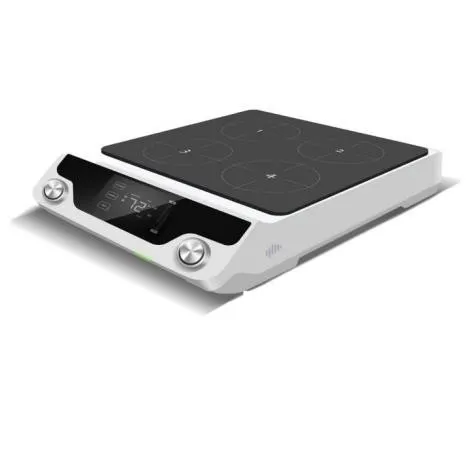
Four-channel magnetic stirrer (Heated type)

Supply voltage AC100-240V
Power 45W
Display Mode LCD
Rotational Speed 200-1600
Speed control range ±10rpm
Effective Centrifuge Time 1-99 hours and 59 minutes
Heating temperature RT-105°C
Temperature control Built-in temperature line
Maximum stirrer capacity 2L
Working disc material 304 Stainless steel
Working disc area size 150*150
Motor type Brushless DC motor
Time control mode Left knob control
Speed control mode Right knob controls

FAQs

What is a magnetic stirrer used for?

A magnetic stirrer is used to automate the mixing of liquids in a laboratory setting, which is useful for tasks like creating solutions, running experiments, and performing chemical reactions. It uses a rotating magnetic field to spin a magnetic stir bar submerged in the liquid, providing a consistent and controllable mixing action.

What precautions should be taken when using a magnetic stirrer?

When using a magnetic stirrer, ensure that the flask or container is properly secured to the magnetic stirrer plate. Use appropriate clamps or attachments to prevent the vessel from tipping or falling off during operation. Avoid overloading the magnetic stirrer with excessively large or heavy containers.

What are the disadvantages of magnetic stirrers?

The disadvantage of magnetic stirrers compared to homogenizers and overhead stirrers is that they do not work well with samples of high viscosity. That’s because there is no physical connection between the rotating magnet in the base and the free mixer bar magnet.

What is the difference between a mechanical stirrer and a magnetic stirrer?

Unlike magnetic stirrers, which rely on a magnetic field and a stir bar, overhead stirrers provide direct mechanical stirring, making them suitable for larger volumes and high-viscosity substances.

What is the best use of a magnetic stirrer?

Magnetic stirrers and heating magnetic stirrers are usually used in the laboratory to perform several applications requiring precise and constant control of the medium’s temperature and the stirring speed. For instance, hot plate stirrers are the most suitable solution for oil baths and chemical synthesis applications.

Get A Free Consultation!

Free contact us! Tell us about your goals and let’s start the conversation!
Scroll to Top

Get A Free Consultation!