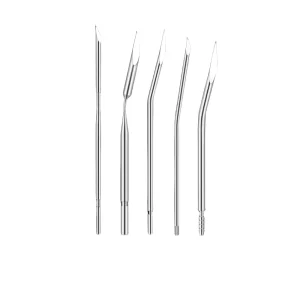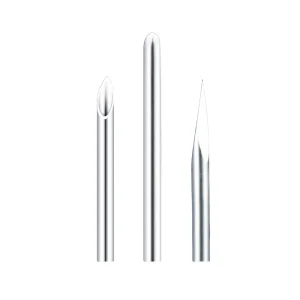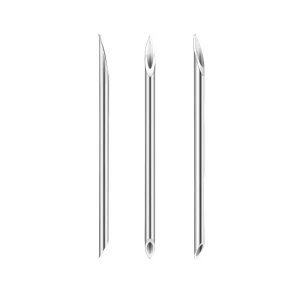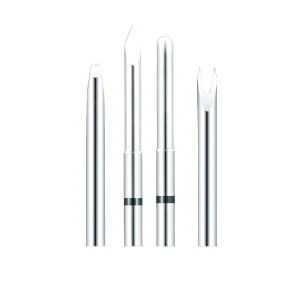







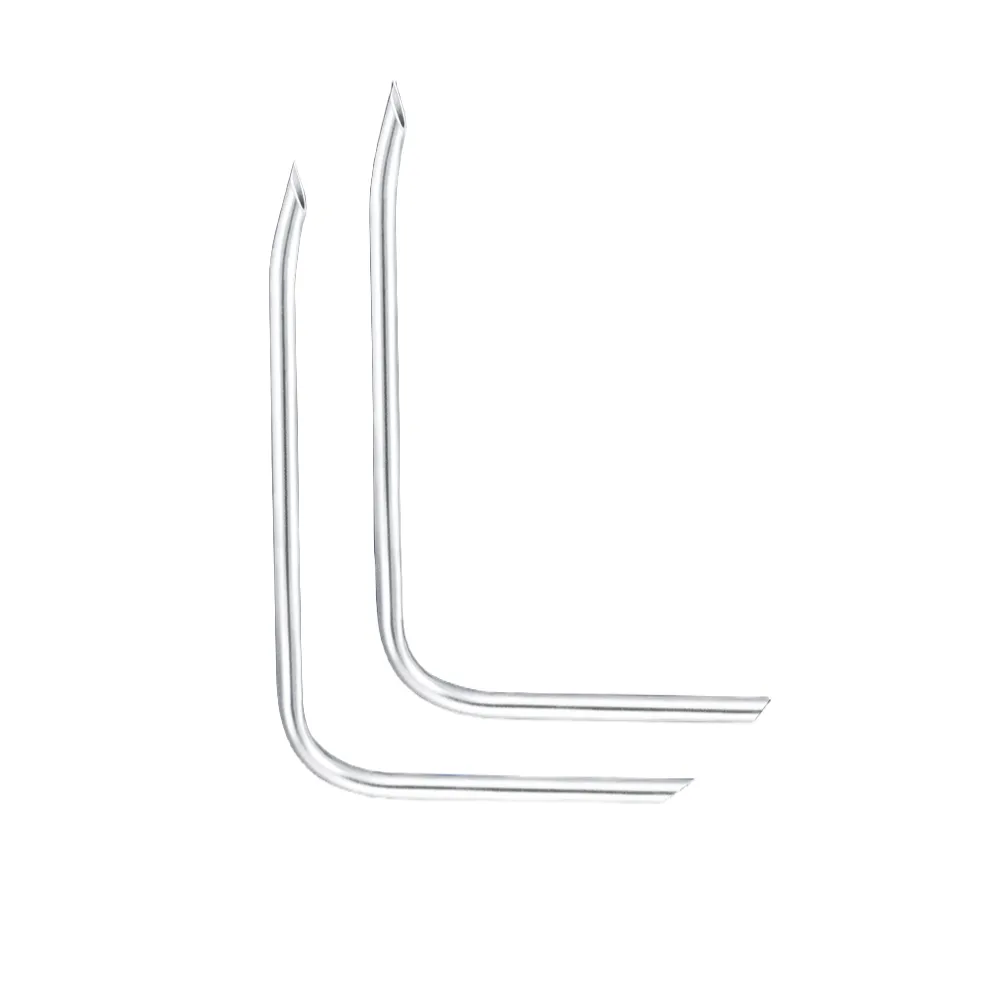
Infusion Needle, Port Access Needle

Infusion Needle Specification:
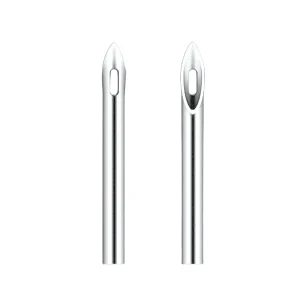
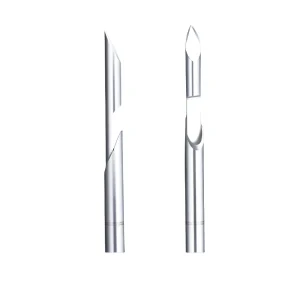
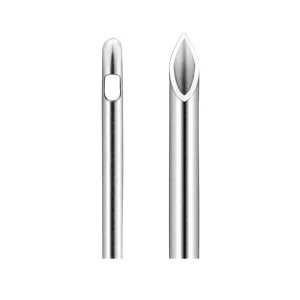
1. Type: straight needle, 90-degree right-angle needle.
2. Length: 12-37mm.
3. Specifications: 19-22G.

Technical Specifications

Parameter Value / Description
Product Name Infusion Needle / Port Access Needle
Needle Type Straight type / 90° right-angle type
Gauge Range 19G – 22G
Outer Diameter (OD) Approx. 1.1 mm (19G), 0.9 mm (20G), 0.8 mm (21G), 0.7 mm (22G)
Needle Length Options 12 mm – 37 mm
Cannula Material Medical-grade stainless steel (SUS304 / SUS316L, ISO 9626 compliant)
Hub Material Medical-grade polypropylene (PP), ergonomic, color-coded (ISO 6009 standard)
Needle Tip Type Non-coring / Huber-type bevel (minimizes septum damage, extends port life)
Connection Type Standard Luer-lock
Safety Options Available with safety wings, anti-slip base, and fixation wings (optional)
Sterilization Method EO (Ethylene Oxide) sterilized
Packaging Individually blister-packed; 50–100 pcs per box
Single-Use Yes
Certification ISO 13485, CE marking, FDA compliance (region dependent)
Shelf Life 3–5 years under recommended storage conditions

Infusion Needle: Precision Access for Implantable Port Systems

Infusion Needle Clinical Purpose

Engineered for reliable, leak-proof access to implanted vascular ports, our infusion needles enable safe delivery of chemotherapy, parenteral nutrition, and long-term IV therapies. The specialized design minimizes coring risk while ensuring secure anchoring during continuous infusions.

The Key Advantages of the Port Access Needle

Optimal Port Integrity
Non-coring bevelled tip (Huber point design) cleanly penetrates silicone septums without generating fragments.
90° right-angle configuration reduces tubing stress and prevents needle dislodgement during patient movement.

Enhanced Safety & Comfort
Low-profile wings with silicone adhesive pads distribute pressure evenly (IAP ≤20mmHg).
Gradual taper transition from needle to tubing eliminates tissue drag (VAS pain ≤2/10).

Procedural Efficiency
Color-coded hubs enable instant gauge identification.
Integrated flashback chamber confirms venous access.

Advanced Material Engineering

  • Cannula: Electropolished SUS304 stainless steel (Ra ≤0.1μm).

  • Wings: Latex-free medical TPE with skin-friendly hydrogel adhesive.

  • Tubing: DEHP-free PUR (1.2m length, 300+ hour chemical resistance).

Port Access Needle Clinical Applications

  • Chemotherapy infusion via implanted ports

  • Long-term antibiotic therapy

  • Blood transfusion access

  • Contrast agent administration in radiology

Quality & Safety Compliance

  • Sterile EO gamma-packed │ ISO 10555-5 │ FDA 510(k) K231155 │ CE MDR Class IIa

  • Non-pyrogenic │ Single-use blister packaging

  • Safety variants: Passive needle guards │ Blood control valves

Questions and Answers

Q: What is the use of an infusion needle?

A: An infusion set, such as a winged infusion set or butterfly needle, is a medical device used for venipuncture procedures. It involves a needle with plastic wings that allow for better control during the procedure, ensuring successful insertion into a vein for administering fluids or medications.

Q: What is the name of the needle used for infusion?

A: A butterfly needle is a device that your healthcare provider may use to draw blood from your vein. They also use it to deliver fluids or medications into your veins. It’s also known as a winged infusion set or a scalp vein set. It gets its name from the two butterfly “wings” on either side of the needle.

Q: What is the needle for IV called?

A: The name for an IV needle depends on the type of device. Common names include intravenous cannula, IV catheter, butterfly needle (also called a winged infusion set or scalp vein set), and hypodermic needle. The specific term often refers to the needle’s design and purpose.

Q: What needle is used to access a port?

A: Safety Huber needle: Safety Huber needle with a thick cushioned needle platform to support patient comfort. Non-safety Huber Needle with a small footprint base, and a thick cushioned needle platform to support patient comfort. A non-safety port access needle to administer or withdraw fluids from implantable ports.

Q: How long can a port needle stay in?

A: The needle can be left in place for up to seven days with a special protective dressing and use of a Biopatch. Can be used for IV fluids, chemotherapy, antibiotics, blood products or intravenous nutrition. It may also be used to draw blood. A “power-injectable” port can be used for intravenous contrast.

Get A Free Consultation!

Free contact us! Tell us about your goals and let’s start the conversation!
Scroll to Top

Get A Free Consultation!