We have a complete R & D team of mechanical, electrical and software. Our core personnehave been engaged in design in medical, 3C and semiconductor industries for many years.and have provided integrated automation solutions for domestic well-known enterprises.
The core R&D team has more than 20 years of experience in advanced medical devicecompanies responsible for production processes, medical product design, and devicedevelopment, The team is familiar with medical product requlations, product processesautomatic assembly technology and other solutions.
A Complete Set Of 200+ Moulds; Installation On 500+ Clients.
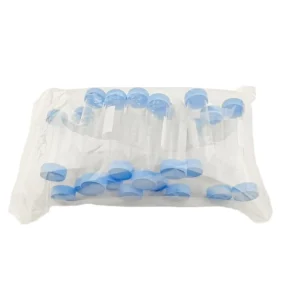
We offer centrifuge tubes in 15 and 50 ml as well as 250 and 500 ml sizes, and microcentrifuge tubes in sizes ranging from. 6 ml to 5 ml. Centrifuge tubes are used to store and handle liquids during the centrifugation process.
What are the different types of centrifuge tubes?
Centrifuge tubes can be categorized by their shape, material, and volume. Common shapes include conical and flat-bottom, and materials include polypropylene and glass. They also vary in size, from small microcentrifuge tubes for tiny samples to larger conical tubes for big volumes.
What is the principle of the centrifuge tube?
The centrifuge uses the sedimentation principle. The centrifugation technique works on the principle of separating particles suspended in liquid media using a centrifugal field. These are placed in tubes or bottles in the centrifuge’s rotor.
What is the function of a pipette stand?
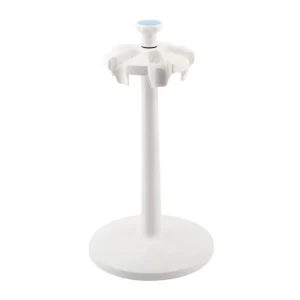
A pipette stand is an essential accessory in any laboratory that works with precision instruments. Designed to securely and neatly store pipettes, the stand ensures quick access and proper storage, helping to extend the lifespan of the pipettes while keeping the workspace clutter-free.
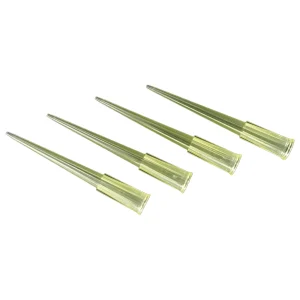
What are pipette tips used for?
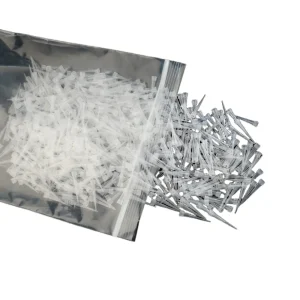
Pipette tips are used to accurately transfer and dispense small, precise volumes of liquids in laboratory settings. They are crucial for tasks in molecular biology, chemistry, and clinical diagnostics and are designed to be disposable to prevent cross-contamination. Different types of tips are available for specific needs, such as handling viscous or fragile samples, ensuring sterility, or loading gels.
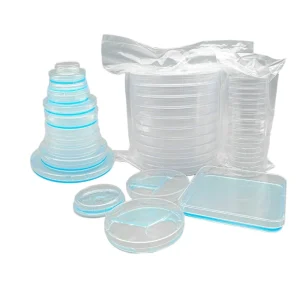
Are glass or plastic petri dishes better?
Plastic: Most plastic petris are thrown away after use, adding to plastic waste. Some eco-friendly options exist, but they are not as common. Glass: Glass Petri vessels can be used often, which is better for the environment. They are like eco-friendly heroes, fighting for both science and a cleaner planet.
Get Your Quote
FIll out the form below and we will cantact you as soon as possible