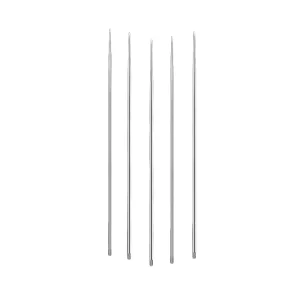
Fistula Needle 15/16/17G

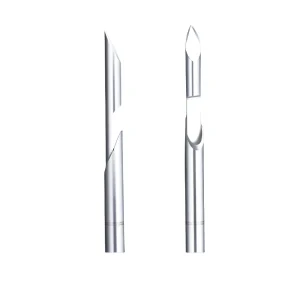
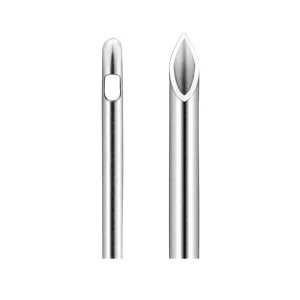
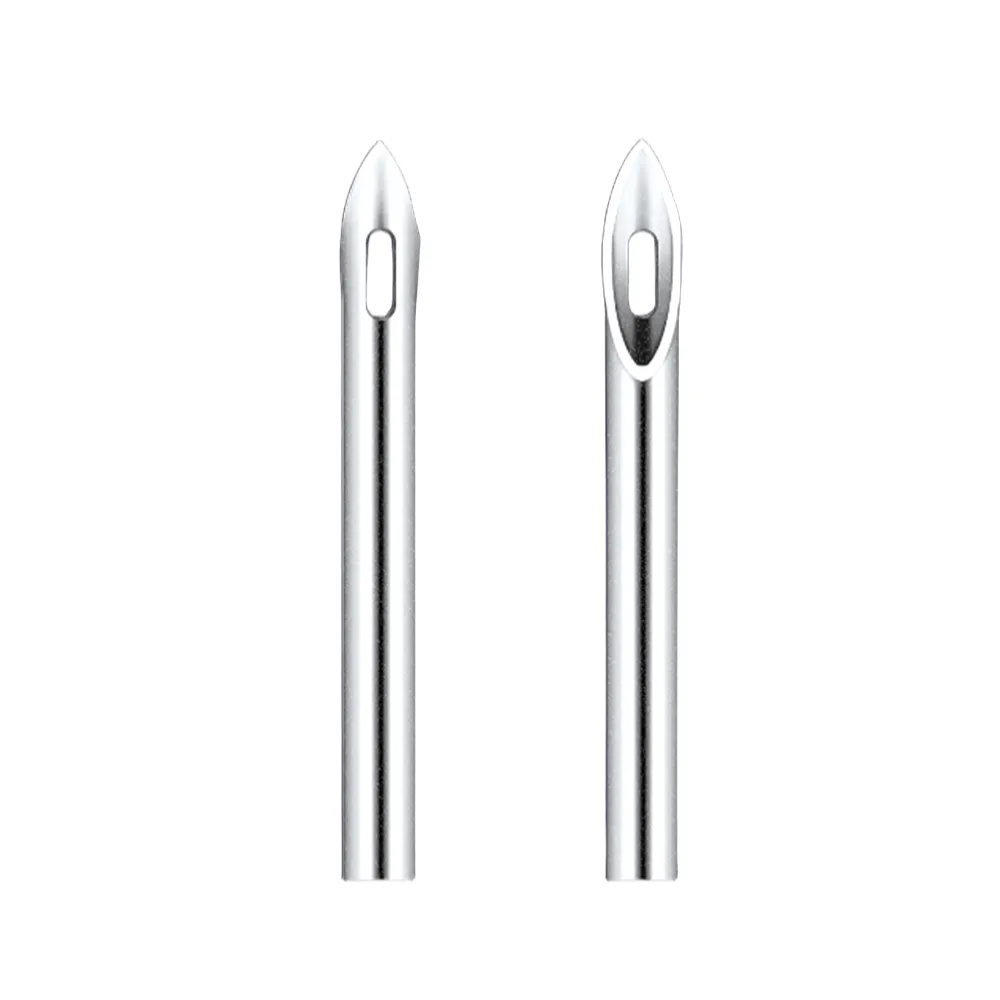
Fistula Needle Introduction: The sharp needle design has a sharp needle tip, low puncture force, reduces pain, and a smooth side hole process, effectively increasing flow.Specification: Size: 15/16/17G OD:1.83/1.65/1.47MM.

Fistula Needle: Precision Vascular Access for Optimized Hemodialysis

Fistula Needle Clinical Purpose

Engineered for reliable and comfortable vascular access in renal patients, our fistula needles enable high-flow hemodialysis through arteriovenous (AV) fistulas and grafts. The specialized design minimizes recirculation while maximizing blood flow rates essential for efficient toxin clearance.

Key Advantages

Pain-Reduced Puncture
– Laser-honed 12° bevel tip requires 35% less insertion force vs. standard needles
– Micro-smooth inner lumen with hydrodynamic polishing prevents platelet adhesion

Enhanced Flow Efficiency
– Patented side-hole configuration (3+1 asymmetric design) increases effective flow area by 28%
– Turbulence-reducing geometry maintains laminar flow up to 450 mL/min

Secure Cannulation
– Color-coded wings for rapid gauge identification
– Reverse-barbs secure tubing while allowing smooth needle withdrawal post-treatment

Advanced Material Engineering
– Cannula: Medical-grade 316LVM stainless steel (Ra ≤0.2μm surface roughness)
– Hub: Transparent polysulfone with integrated flashback chamber
– Wings: Latex-free TPE with textured grip for secure handling

Clinical Applications

– Maintenance hemodialysis via AV fistulas/grafts
– Acute renal replacement therapy
– Plasmapheresis procedures
– Pediatric dialysis (17G variant)

Quality & Safety Compliance

– Gamma sterilized | ISO 13926 | FDA 510(k) K230918 | CE MDR Class IIb
– Non-pyrogenic | Single-use blister packaging
– Safety options: Self-sealing wings | Needle guards
Questions and Answers

Q: Why do dialysis fistulas get so big?

A: Over time, your fistula should get larger, extending past the lines drawn on your arm when your access was created. This allows more blood to flow through the fistula and into the vein in order to provide a high enough blood flow rate during your hemodialysis treatments.

Q: How painful are dialysis needles?

A: Myth: Dialysis is painful. Fact: If you are on hemodialysis, you may have some discomfort when the needles are put into your fistula or graft, but most patients usually have no other problems. The dialysis treatment itself is painless.

Q: What is the rule of 6 for fistula?

A: The Rules of 6 (flow volume >600 mL/min, vein diameter >6 mm, vein depth <6 mm) are widely used to determine when an arteriovenous fistula (AVF) will support dialysis.

Q: Why would a patient need a fistula?

A: Dialysis fistula creation is a commonly performed procedure for patients who suffer from end-stage renal disease and require permanent vascular access for hemodialysis. Arteriovenous fistulas are the preferred initial access compared to prosthetic grafts or hemodialysis catheters.

Q: How to needle a fistula?

A: The straightest part of your fistula will be used. The arterial needle needs to be put at least 2 inches above the fistula incision (anastomosis). Needle tips need to be at least 1 inch apart. Use the same hole, the same angle, and the same direction each time you needle your fistula.

Q: What is a fistula needle used for?

A: The primary function of fistula needles is to facilitate blood flow from the patient’s body to the dialysis machine and vice versa. The AV fistula needle is inserted into the fistula, and blood is drawn into the dialysis machine, where it undergoes filtration to remove waste products and excess fluid.

Get A Free Consultation!

Free contact us! Tell us about your goals and let’s start the conversation!
Scroll to Top

Get A Free Consultation!