Akupunktur İğneleri Tedarikçisi

Ev
/
/
Akupunktur İğneleri

Akupunktur İğneleri Üreticisi

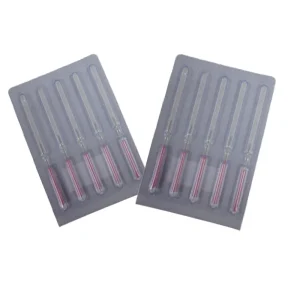
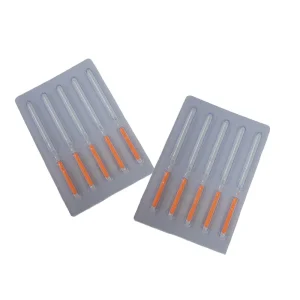
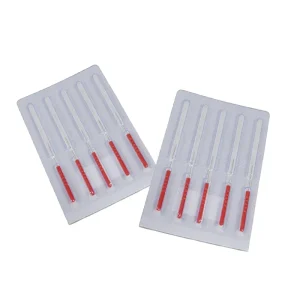
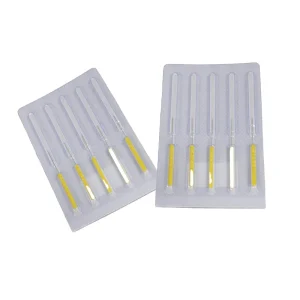
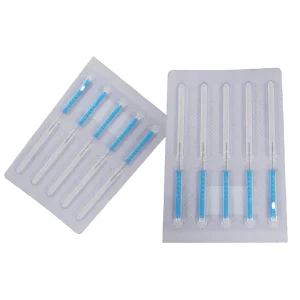
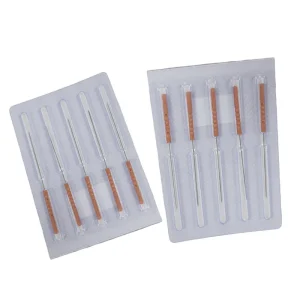
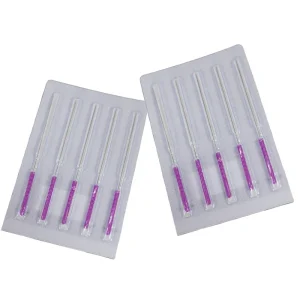
Steril, tek kullanımlık akupunktur iğnelerimiz profesyonel akupunktur tedavisi için tasarlanmış hassas mühendislik ürünü tıbbi cihazlardır. İğneler, çeşitli tedavi protokollerine uyum sağlamak için çeşitli standart boyutlarda (0,10 mm ila 0,40 mm çap) ve uzunluklarda (13 mm ila 75 mm) gelir.

Neden Topkey Teknolojisini Seçmelisiniz

Mekanik, elektrik ve yazılımdan oluşan eksiksiz bir Ar-Ge ekibimiz var. Çekirdek personelimiz uzun yıllardır medikal, 3C ve yarı iletken endüstrilerinde tasarım yapmaktadır ve yerli tanınmış işletmeler için entegre otomasyon çözümleri sağlamıştır.

Çekirdek Ar-Ge ekibi, üretim süreçlerinden, tıbbi ürün tasarımından ve cihaz geliştirmeden sorumlu gelişmiş tıbbi cihaz şirketlerinde 20 yıldan fazla deneyime sahiptir, Ekip tıbbi ürün taleplerine, ürün süreçlerine, otomatik montaj teknolojisine ve diğer çözümlere aşinadır.

200'den Fazla Kalıptan Oluşan Eksiksiz Bir Set; 500'den Fazla Müşteriye Kurulum.

Topkey Hakkında

Soru & Cevap

1. What do acupuncture needles actually do to the body?

From a modern medical perspective, inserting hair-thin acupuncture needles into specific points creates micro-traumas in the tissue. This stimulates the central nervous system, increasing local blood flow and triggering the body’s natural healing response. It also prompts the release of endorphins and neurotransmitters, which act as natural painkillers and mood regulators. Traditionally, this process is described as unblocking the flow of “Qi” (energy) along the body’s meridians.

2. What is the exact difference between dry needling and acupuncture?

While both practices use the exact same type of solid, stainless-steel filiform needle, their medical philosophies differ entirely. Acupuncture is rooted in Traditional Chinese Medicine (TCM) and is used to treat a wide variety of systemic conditions (like insomnia, digestive issues, and anxiety) by targeting energetic meridians. Dry needling is a Western anatomical approach primarily used by physical therapists to relieve muscular pain and tightness; the needles are inserted directly into muscular “trigger points” or knots to release tension.

3. How deep do acupuncture needles go during treatment?

The insertion depth varies significantly depending on the targeted body part, the patient’s body size, and the condition being treated. On areas with little subcutaneous fat, such as the face, scalp, or hands, needles may only be inserted 0.1 to 0.25 inches deep. In fleshier, highly muscled areas like the glutes or thighs, needles can be inserted 1 to 3 inches deep to reach the targeted tissues safely.

4. Where do acupuncture needles go for sciatica relief?

To relieve the sharp, radiating nerve pain of sciatica, needles are strategically placed along the lower back (lumbar spine) and the trajectory of the sciatic nerve. Common insertion points include the lower back muscles, the glutes (specifically targeting the piriformis muscle, which often compresses the nerve), the back of the thighs, and down the calves.

5. Where do acupuncture needles go for anxiety and stress?

Acupuncture for anxiety focuses on calming the central nervous system and reducing cortisol levels. Common needle placements include:

  • Yintang: Directly between the eyebrows (often called the “third eye”).
  • Shen Men: Specific auricular (ear) points known for deep relaxation.
  • Pericardium 6 (PC6): On the inner forearm near the wrist.
  • Various stabilizing points on the top of the head and the feet.

6. Where do acupuncture needles go for erectile dysfunction (ED)?

Acupuncture treats ED by aiming to increase pelvic blood flow, reduce performance anxiety, and balance overall hormone function. Needles are typically inserted into the lower abdomen (below the navel), the lower back (to stimulate the nerves connecting to the pelvic region), and specific points along the inner legs and ankles (such as the Spleen and Kidney meridians).

7. Do acupuncture needles hurt when inserted?

Generally, no. Acupuncture needles are entirely different from the thick, hollow hypodermic needles used to draw blood or inject vaccines. They are solid, flexible, and roughly the thickness of a human hair. Patients usually feel no pain upon insertion. Once the needle reaches the correct depth, patients may feel a dull ache, a slight tingling, or a feeling of heaviness (known as De Qi), which indicates the treatment is working.

8. Are acupuncture needles safe and sterile?

Yes, when administered by a licensed practitioner, acupuncture is exceptionally safe. Modern standards and FDA regulations require all acupuncture needles to be single-use, sterile, and manufactured from high-grade surgical stainless steel. They are opened from sealed packaging immediately before use and disposed of in medical sharps containers immediately after, completely eliminating the risk of cross-contamination.

Teklifinizi Alın

Aşağıdaki formu doldurun, mümkün olan en kısa sürede sizinle iletişime geçelim
Üste Kaydır

Ücretsiz Danışmanlık Alın!