I. Introduction
The Evolution of Insulin Delivery
From the earliest days of diabetes management, insulin delivery has undergone a remarkable transformation. Early insulin therapy relied on large-bore, reusable needles that were painful, intimidating, and difficult to use consistently.
Over time, advances in materials science, micro-engineering, and medical ergonomics have reshaped insulin needles into ultra-fine, single-use, high-precision devices designed to minimize pain while maximizing dosing accuracy.
Today’s insulin delivery landscape reflects a shift from purely functional tools to patient-centered micro-technology, where comfort, safety, and compliance are as important as clinical efficacy.
The Importance of Needle Choice
The choice of insulin needle is far from trivial. Needle length, gauge, and delivery system all influence:
- Dosage accuracy
- Injection site health, including prevention of lipohypertrophy
- Patient adherence, particularly for long-term insulin users
A poorly matched needle can increase discomfort, lead to improper insulin absorption, and ultimately compromise glycemic control.
Overview: Needles, Syringes, and Pen Systems
Modern insulin delivery can be broadly divided into two categories:
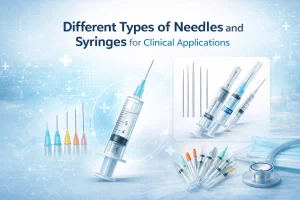
- Traditional insulin needles and syringes
- Pen-based insulin needle systems
Understanding the differences between these options is essential for clinicians, patients, and manufacturers alike.
II. Standard Delivery Systems
Traditional Insulin Needles and Syringes
Clinical and Home Use
Hypodermic insulin needles paired with syringes remain widely used in hospitals, clinics, and home settings worldwide. These systems offer:
- High dosing flexibility
- Compatibility with insulin vials
- Cost-effectiveness in many regions
They are especially common in institutional care and veterinary medicine.
Dead Space and Needle Design
One critical factor in syringe systems is dead space—the residual insulin that remains in the needle hub after injection.
- Fixed-needle syringes minimize dead space and reduce insulin waste
- Detachable-needle syringes offer flexibility but may slightly increase dosage variability
For patients requiring small or precise insulin doses, dead space can have real clinical implications.
The Insulin Needle Pen
Convenience and Portability
The insulin needle pen has revolutionized self-administration. Compact, discreet, and easy to use, pen systems significantly improve:
- Injection confidence
- Portability for active lifestyles
- Adherence among pediatric and elderly patients
Universal Fit vs. Proprietary Systems
Most modern pen needles follow a universal screw-on standard, allowing compatibility with major insulin pen brands. However, some manufacturers employ proprietary locking mechanisms to enhance stability or brand exclusivity. From a usability standpoint, universal fit systems often provide greater flexibility for patients and caregivers.
III. Variations in Needle Length
Short Insulin Needles (4mm, 5mm, 6mm)
Why Shorter Is Better
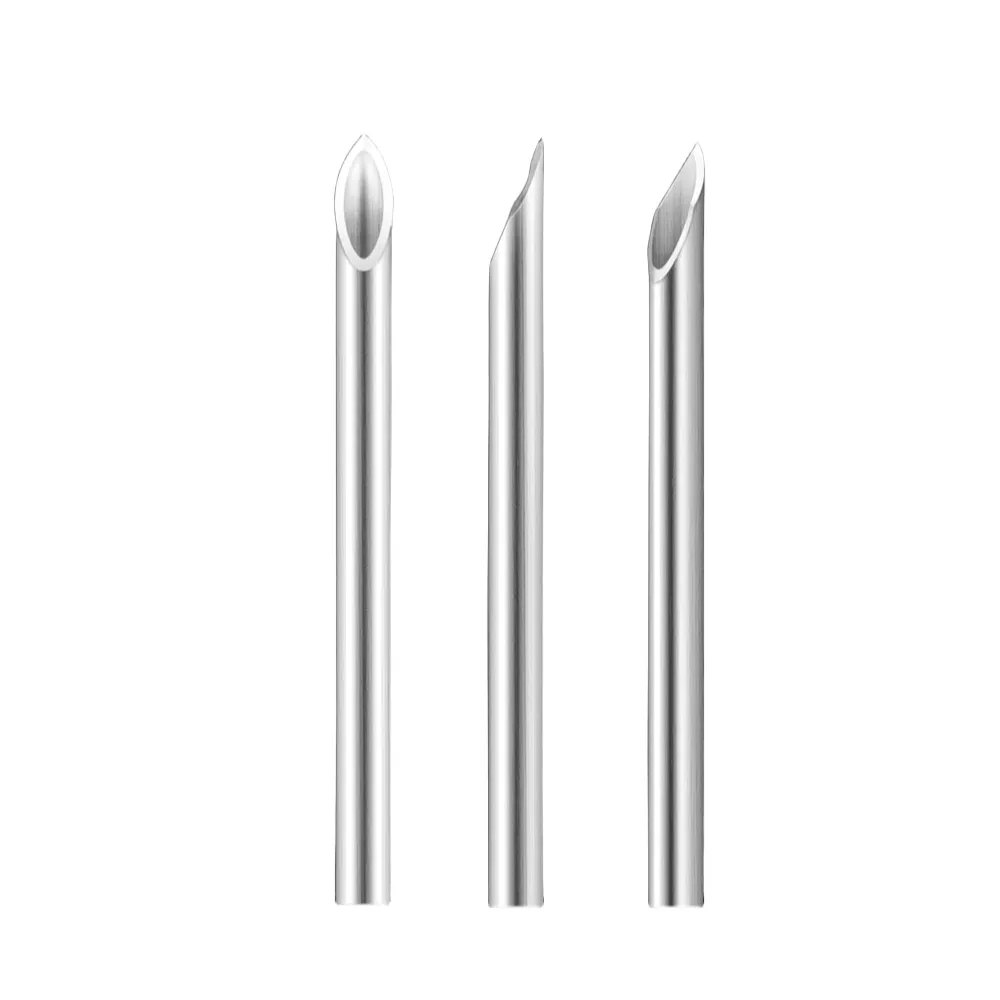
Clinical research has confirmed that short insulin needles are sufficient to deliver insulin into the subcutaneous tissue across nearly all body types. This has driven a global shift toward 4mm, 5mm, and 6mm options.
Key benefits include:
- Reduced risk of intramuscular (IM) injection
- Less injection pain
- No need for skin pinching in most adults
Preventing IM Injections
Accidental IM delivery can lead to unpredictable insulin absorption and hypoglycemia. Short needles dramatically reduce this risk while maintaining consistent pharmacokinetics.
Insulin Syringe Long Needles (12.7mm)
Historical Context
Long needles, such as 12.7mm insulin syringe needles, were once the standard when needle manufacturing lacked the precision of today’s technology. They are now largely reserved for specific clinical scenarios.
Length Does Not Improve Absorption
Contrary to outdated assumptions, longer needles do not improve insulin absorption. In fact, they increase the likelihood of IM injection without providing clinical benefit in routine diabetes care.
Insulin Needle Comparison: Length, Gauge, and Typical Use
| Needle Type | Common Lengths | Typical Gauge (G) | Primary Use Case | Key Advantages | Considerations |
|---|---|---|---|---|---|
| Short Insulin Pen Needles | 4mm, 5mm, 6mm | 31G–34G | Most adult & pediatric patients | Reduced pain, lower IM injection risk, no skin pinch needed | Requires correct injection angle |
| Standard Pen Needles | 8mm | 29G–31G | Legacy users, specific clinical preference | Familiar handling, stable insertion | Higher IM injection risk |
| Insulin Syringe Short Needles | 6mm–8mm | 29G–31G | Vial-based insulin users | Accurate dosing, low dead space | Less discreet than pens |
| Insulin Syringe Long Needles | 12.7mm | 26G–28G | Limited clinical or veterinary use | Penetrates thicker tissue | Increased pain, IM risk |
| Ultra Fine Insulin Needles | 4mm–6mm | 32G–34G | Pain-sensitive users | Minimal discomfort, improved compliance | Requires high-quality manufacturing |
| Insulin Needles for Dogs & Pets | 8mm–12.7mm | 29G–31G | Veterinary insulin delivery | Durable, suitable for animal skin | Not interchangeable with human syringes |
| Needleless Insulin Injection | N/A | N/A | Needle-phobic patients | No needle penetration | Higher cost, training required |
IV. Understanding Gauge and Thickness
The Gauge (G) System Explained
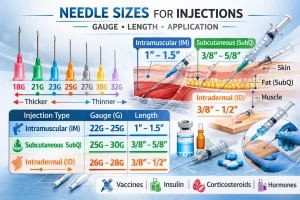
The gauge system can be counterintuitive: the higher the gauge number, the thinner the needle. For example:
- 29G = thicker
- 31G = thinner
- 34G = ultra-thin
Gauge selection directly affects comfort and tissue trauma.
Ultra Fine Insulin Needles
Engineering for Comfort
Ultra fine insulin needles rely on:
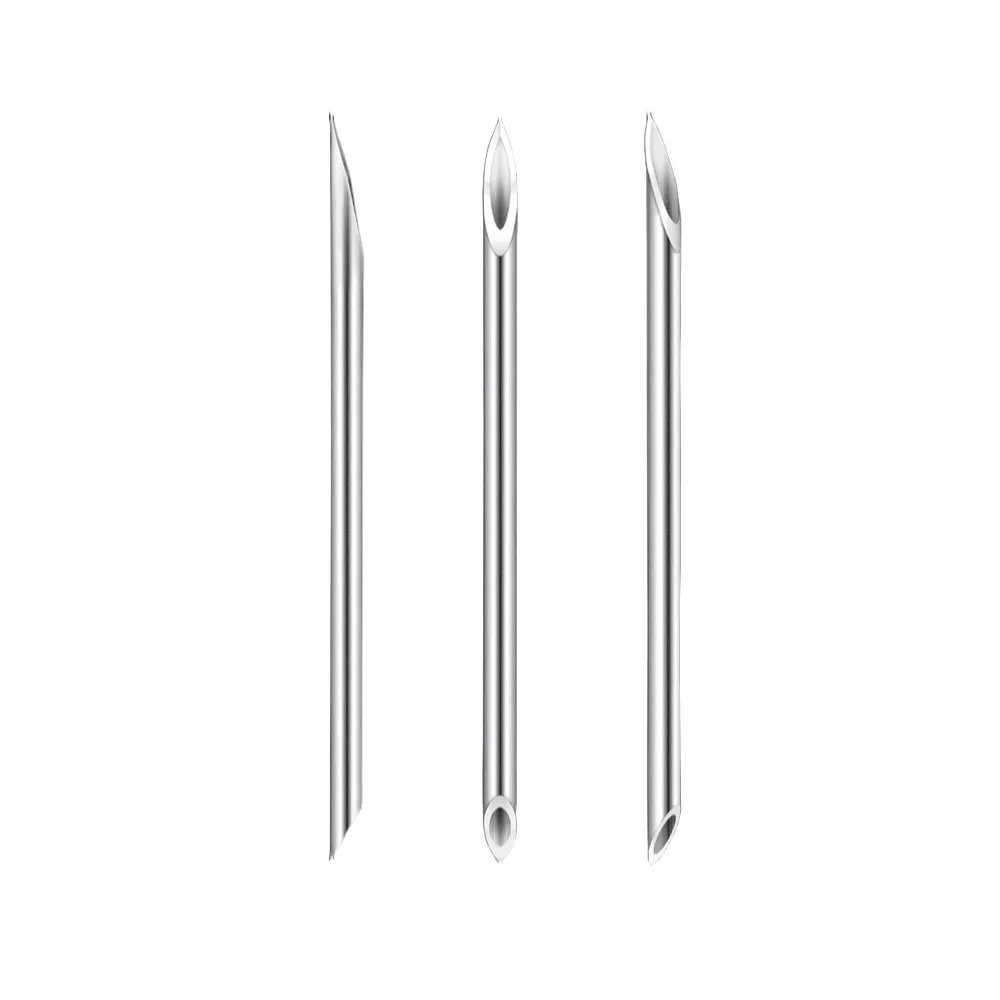
- Multi-facet beveled tips
- Polished needle surfaces
- High-strength stainless steel alloys
These features allow effortless skin penetration while minimizing pain and injection anxiety.
Everyday Standards: 30G and 31G
For most patients, 30G and 31G needles represent the ideal balance of thinness, strength, and reliability.
The Quest for the Thinnest Insulin Needle
Smallest Gauge Insulin Needles
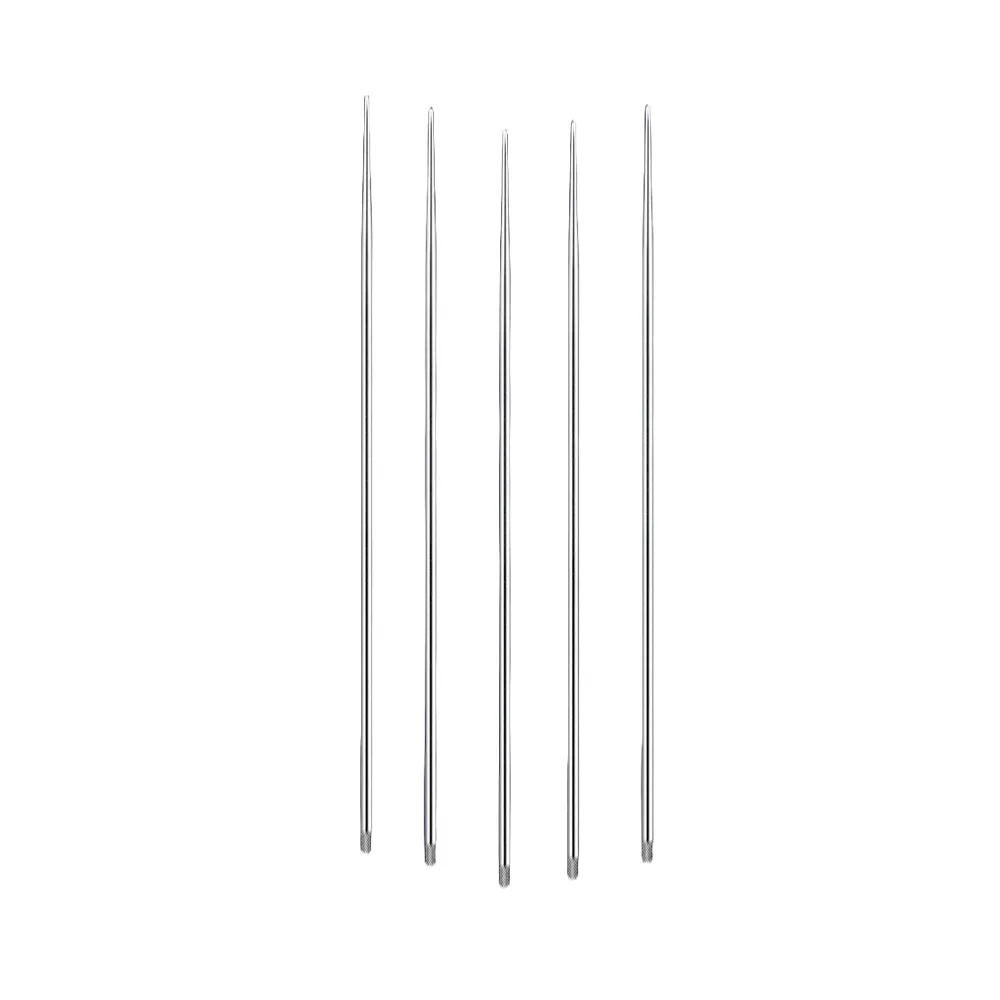
Advanced manufacturers now produce 32G and even 34G insulin needles, marketed as the thinnest insulin needles available.
Structural Integrity Matters
Extreme thinness introduces engineering challenges. A needle must resist:
- Bending
- Breakage
- Tip deformation
The best designs achieve ultra-thin profiles without compromising safety or dose accuracy.
V. Specialized and Alternative Delivery
Insulin Needles for Dogs and Pets
Veterinary Considerations
Insulin needles for dogs and other pets differ slightly due to:
- Thicker or more elastic skin
- Different injection sites
- Animal movement during injection
Veterinary insulin syringes are often designed for durability and ease of handling.
Reducing Pet Anxiety
Using shorter, finer needles combined with calm handling techniques can significantly reduce injection stress for pets and owners alike.
Needleless Insulin Injection
Jet Injector Technology
Needleless insulin injection systems use a high-pressure liquid stream to penetrate the skin and deliver insulin without a needle.
Pros and Cons
Advantages:
- No needle pain
- Reduced needle phobia
Limitations:
- Higher cost
- Learning curve
- Potential for skin bruising
While promising, needleless systems remain a niche alternative rather than a universal replacement.
VI. Best Practices for Manufacturing & Usage
Safety Features
Modern insulin needles increasingly incorporate:
- Retractable needles
- Automatic shielding
- Passive safety mechanisms
These features protect both patients and healthcare workers from accidental needle sticks.
Single-Use Policy
Even the most advanced ultra fine insulin needles are designed for single use only. Reuse causes:
- Microscopic tip damage
- Increased pain
- Higher infection risk
Under magnification, reused needles resemble jagged hooks rather than smooth tips.
Disposal and Environmental Responsibility
Proper sharps disposal is essential. Manufacturers and healthcare systems share responsibility for:
- Safe sharps containers
- Patient education
- Sustainable materials where possible
VII. Conclusion
From hypodermic insulin needles to ultra-thin pen systems and needleless innovations, insulin delivery technology continues to evolve in service of one goal: improving quality of life for people living with diabetes.
Precision engineering, patient comfort, and safety-driven design are no longer optional—they define the modern standard. For manufacturers, this means an ongoing commitment to innovation, quality control, and user-centered solutions that support better outcomes for patients worldwide.
FAQs
1. Are insulin needles and syringes still commonly used?
Yes. They remain widely used in hospitals, veterinary care, and by patients who prefer vial-based insulin.
2. What is the advantage of an insulin needle pen?
Pen systems offer convenience, portability, and easier dosing, which improves adherence for many users.
3. Are short insulin needles effective for all body types?
Clinical studies show that 4mm–6mm needles are effective for nearly all adults and children when used correctly.
4. What is the smallest gauge insulin needle available?
Currently, 34G is among the smallest gauge insulin needles commercially available.
5. Do ultra fine insulin needles break easily?
High-quality ultra fine needles are engineered to balance thinness with strength and do not break under normal use.
6. Are insulin syringe long needles still necessary?
They are occasionally used in specific clinical or veterinary cases but are no longer recommended for routine diabetes care.
7. Can insulin needles for dogs be used on humans?
No. Veterinary insulin syringes are calibrated differently and should only be used as intended.
8. Is needleless insulin injection better than needles?
Needleless systems can help patients with needle phobia, but are not universally superior due to cost and usability factors.