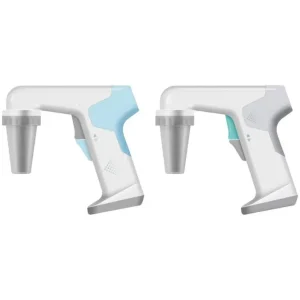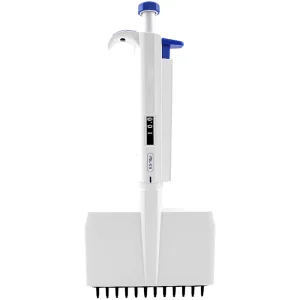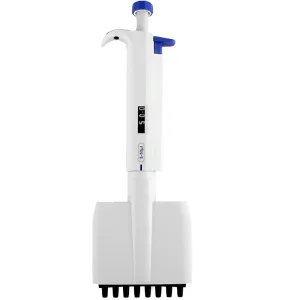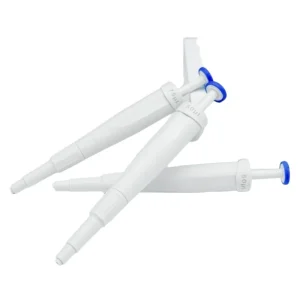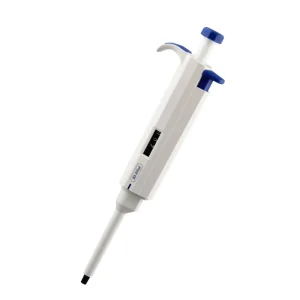








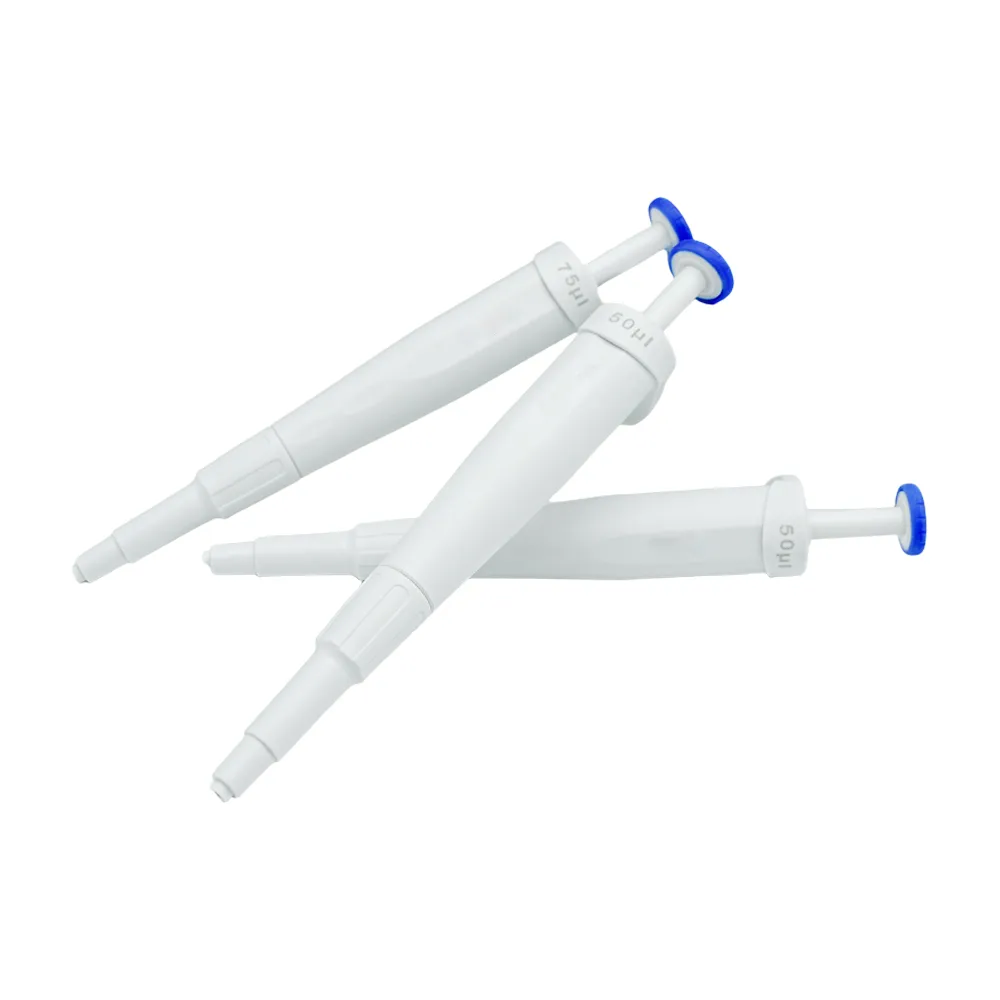
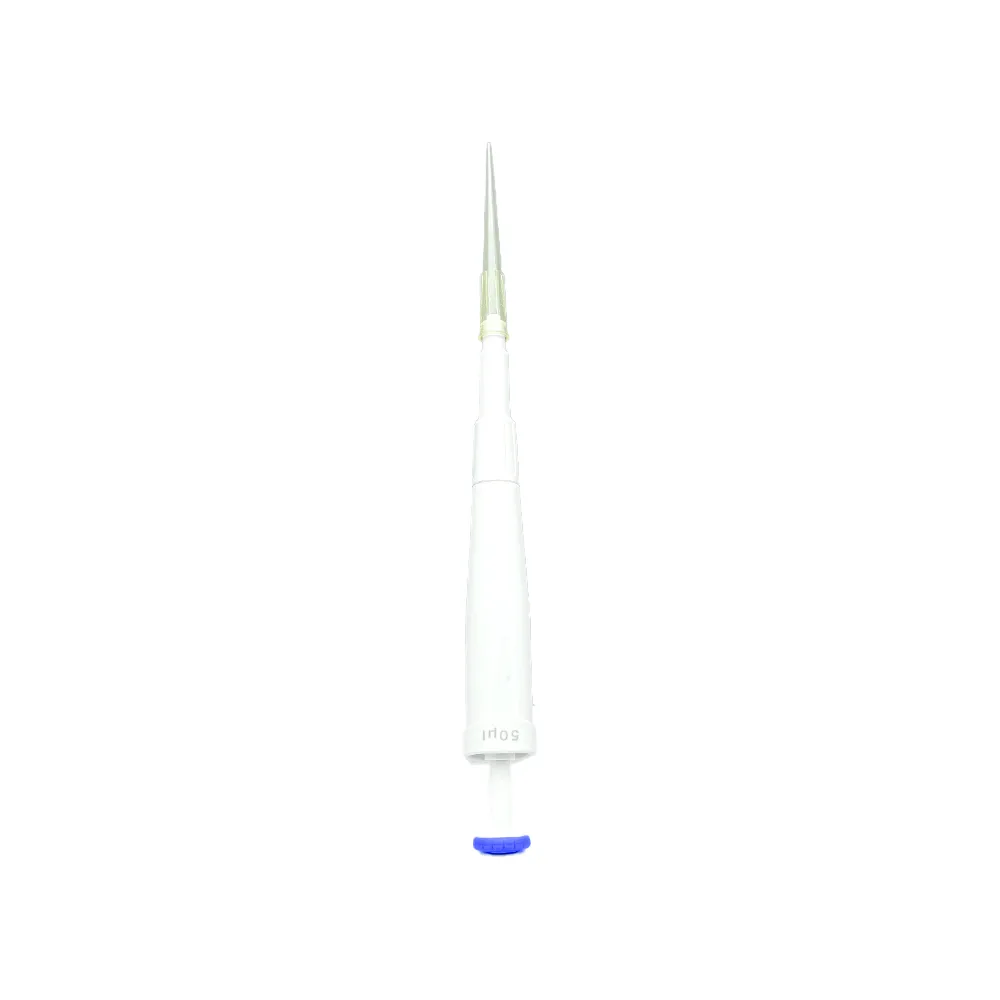
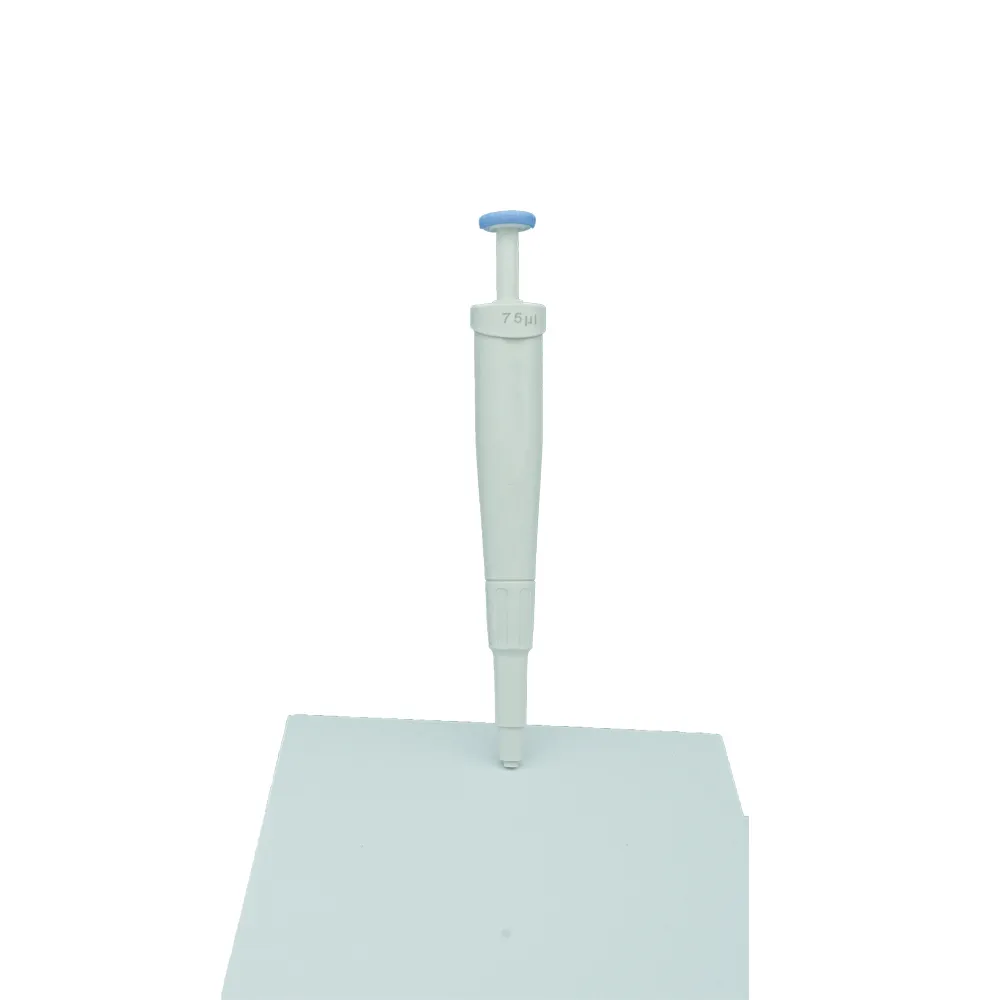
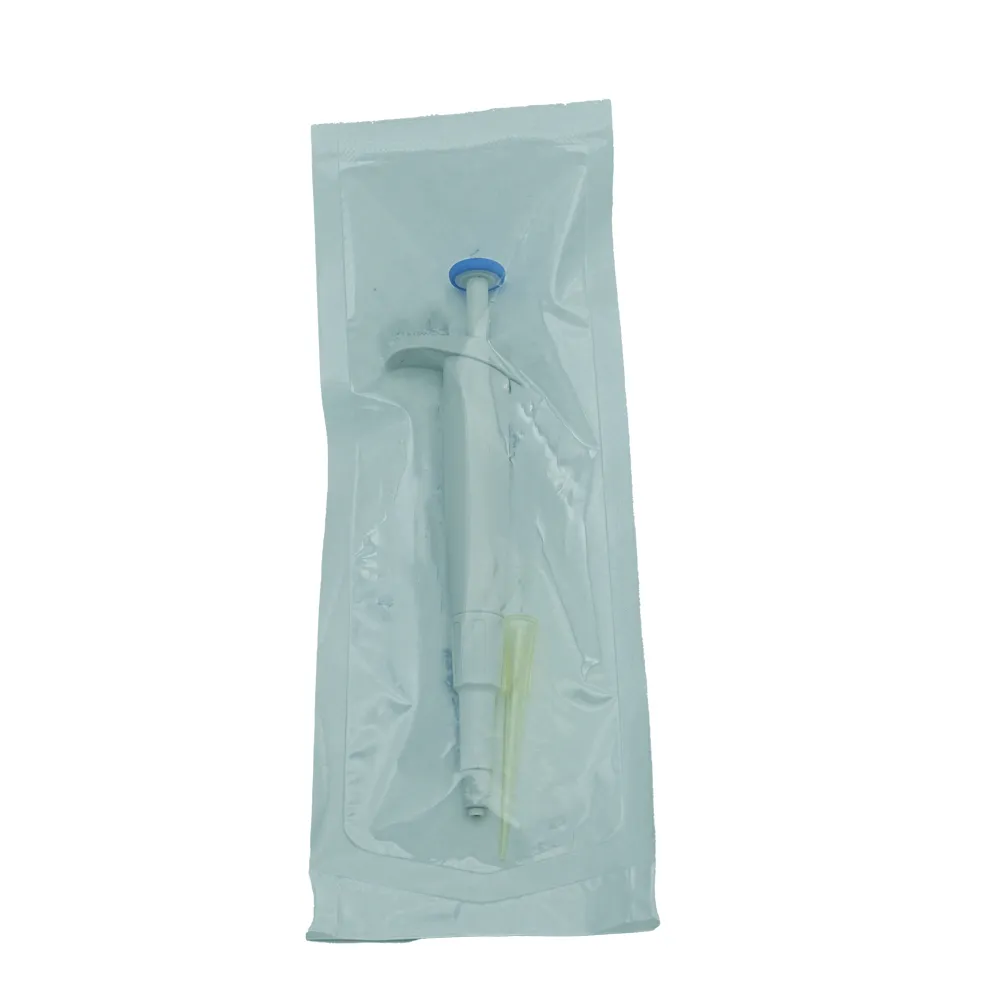
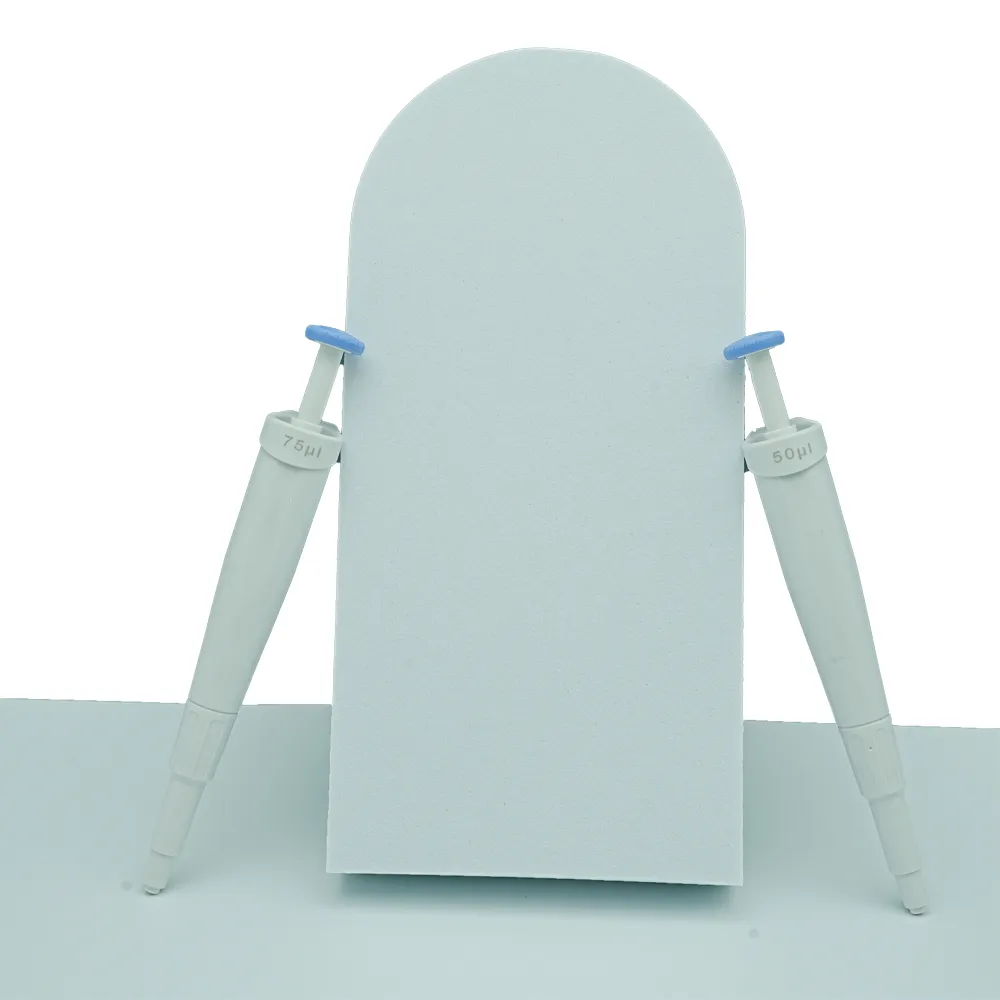
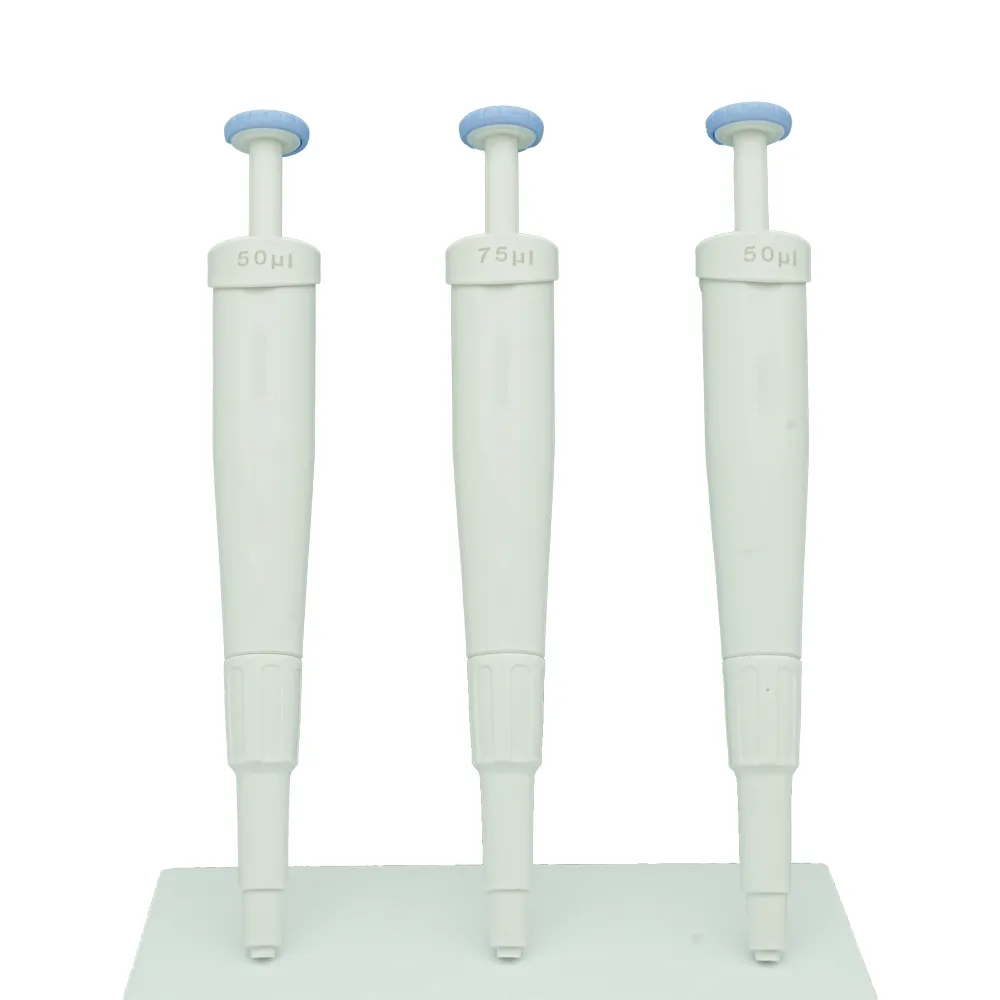
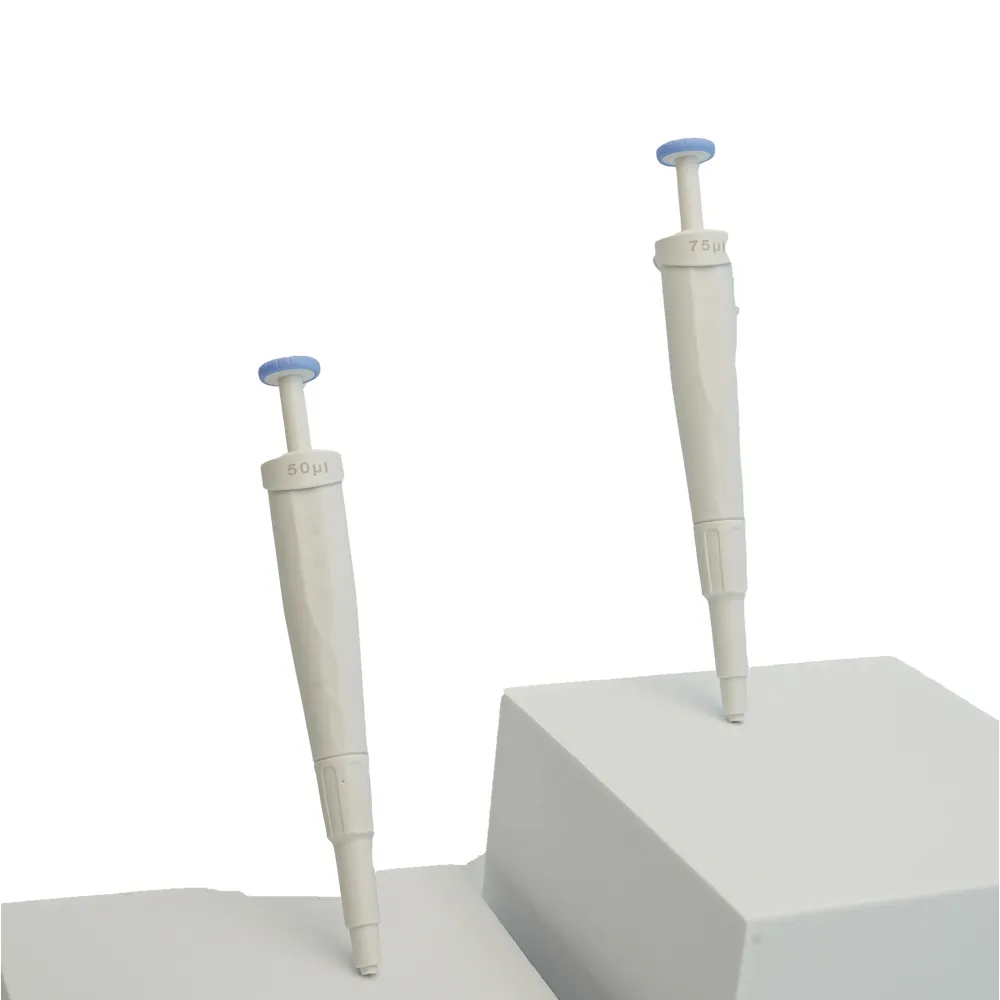
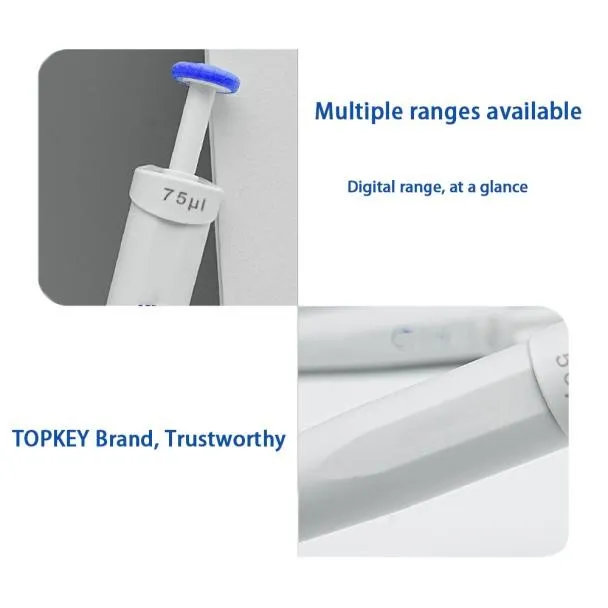
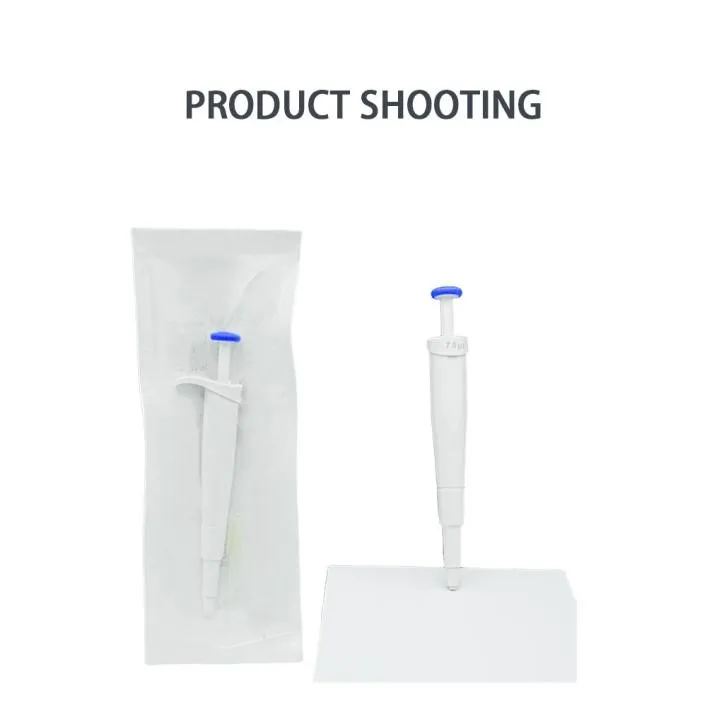
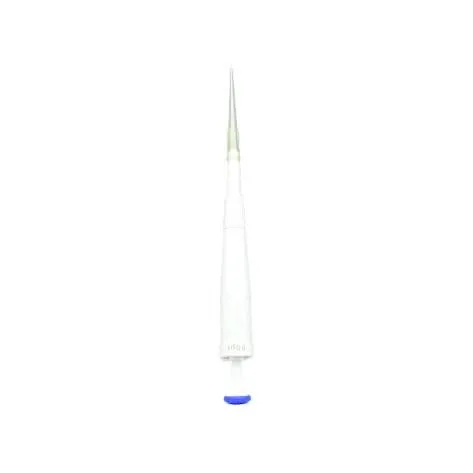
The Mini Pipette is ergonomically designed and specifically developed for applications requiring relatively stable pipetting in industrial testing, animal husbandry, and the food industry.
Its lighter overall weight and smaller size enable comfortable full-hand control, reducing hand fatigue from repetitive operations.
The product offers a comprehensive range of specifications and supports custom volume ranges, making it ideal for customized laboratory instrumentation.
Its single-range design ensures greater pipetting precision.
Miniature Pipettes Technical Parameters:
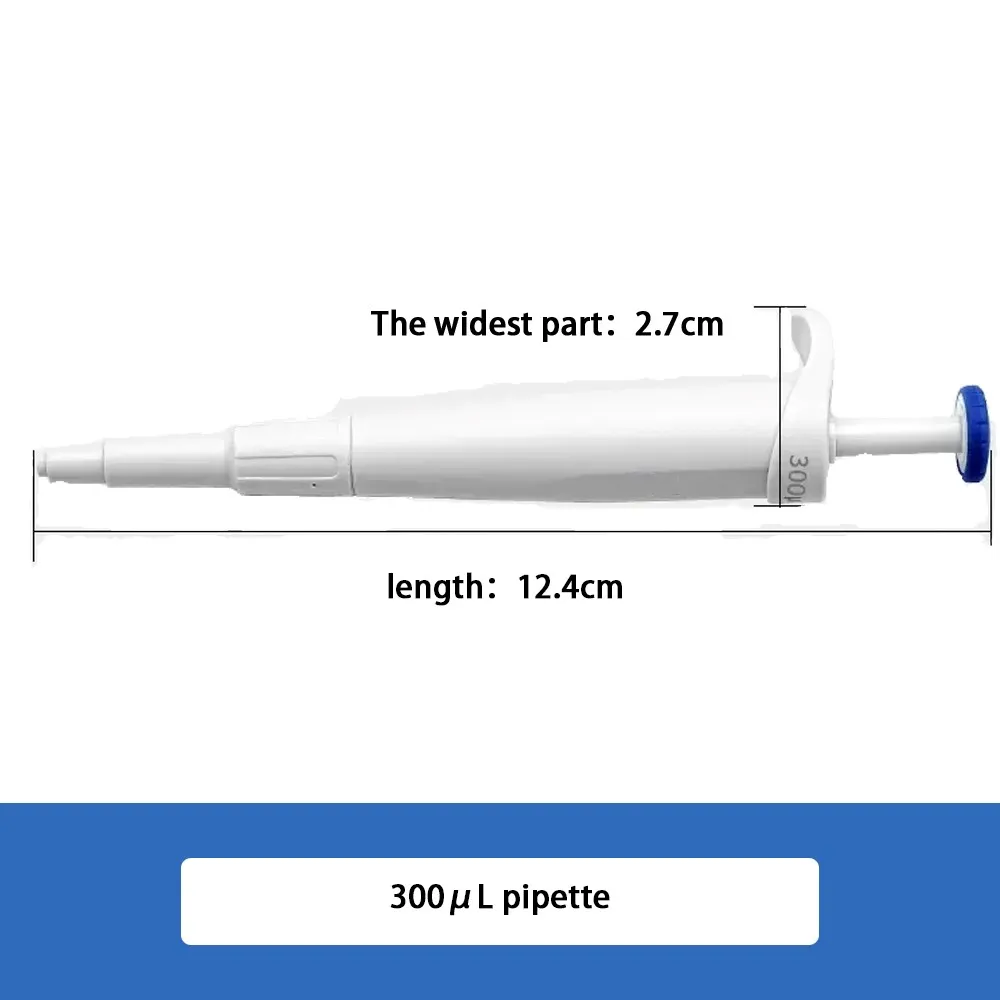
| Product series | Product Specification | Widest part | Length |
| Pipetting Series | 10ul | 2.7cm |
12.4cm |
| 20ul | |||
| 25ul | |||
| 50ul | |||
| 75ul | |||
| 100ul | |||
| 200ul | |||
| 300ul | |||
| The special range can be customized |
Note: All data above are measured manually. In case of error, please refer to the actual product.
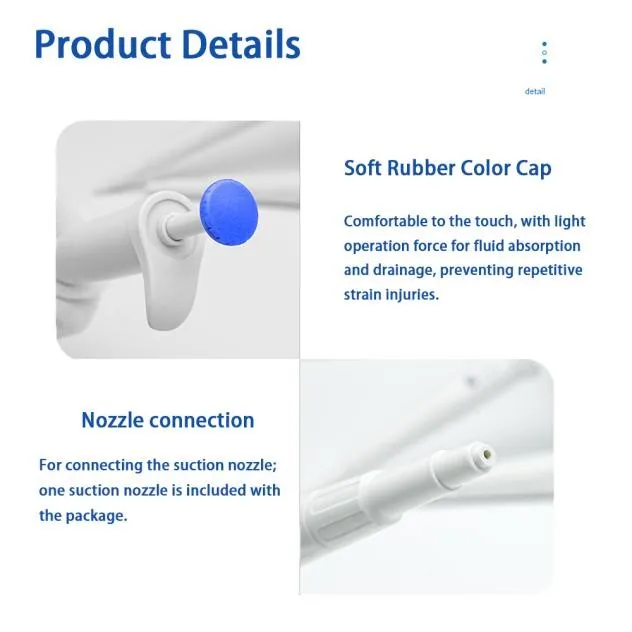
Product Details:

Geometry Expertise
J-hooks, helical coils, side ports, multi-lumen structures, or patient-specific bends. Micro-barb retention elements, fluid channels (≥50μm ID), or directional drug delivery windows.

Advanced Manufacturing
Laser micromachining precision ±5μm. Electroforming for seamless tapered transitions. Nitinol shape-memory integration for steerable functionality.

Rapid Prototyping
Surgical-grade steel / PEEK 3D-printed prototypes delivered within 72 hours. CFD and structural simulation reports to accelerate product validation.