
AV Fistula Needle

AV Fistula Needle

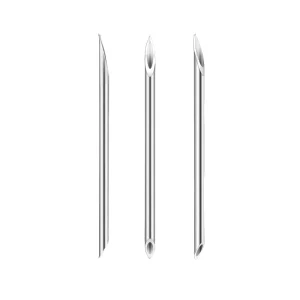
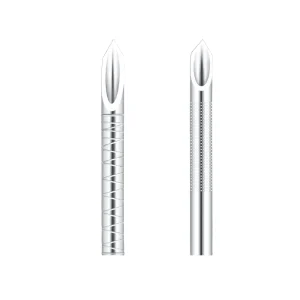
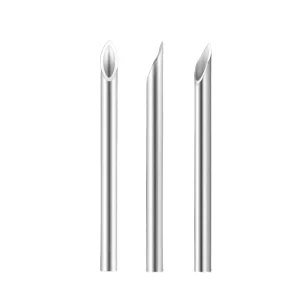
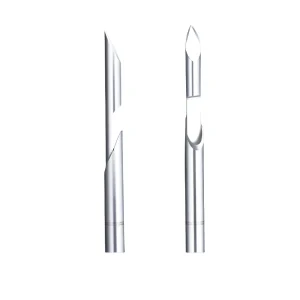
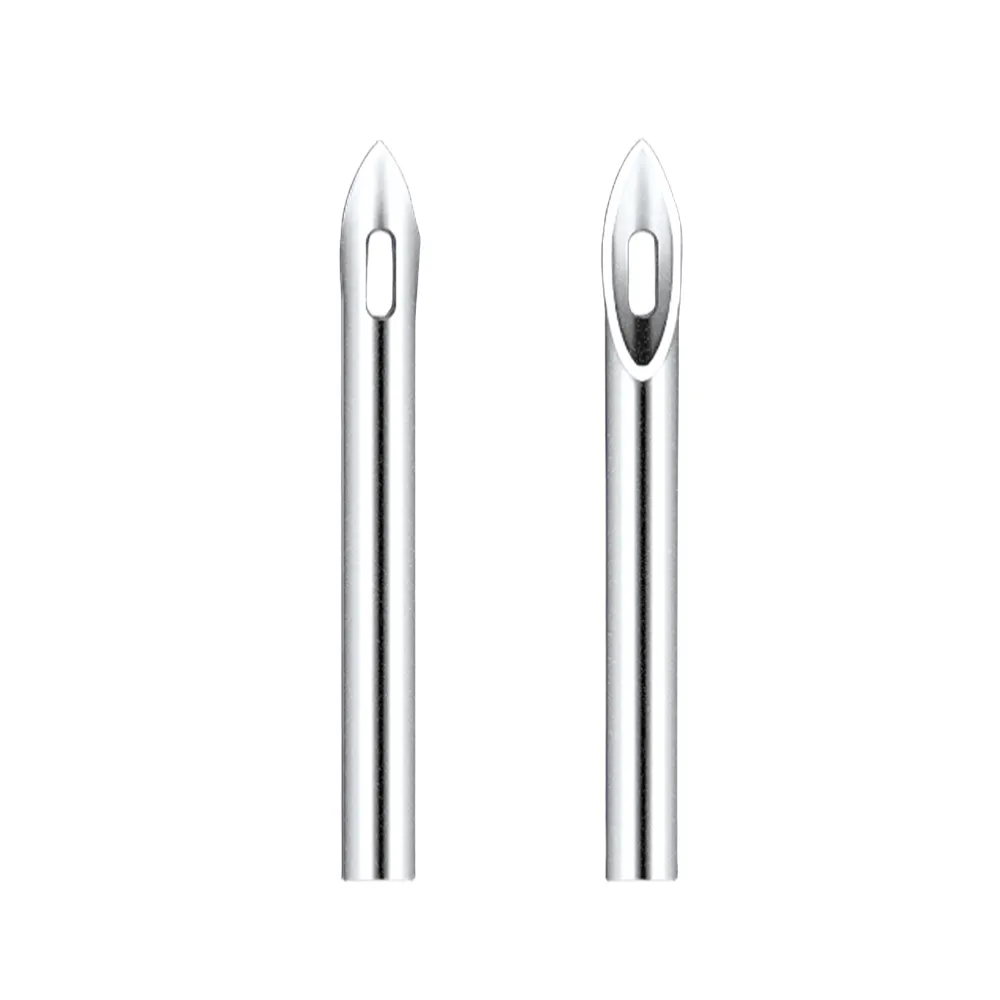
Manufactured from precision medical-grade stainless steel tubing, AV fistula needle cannulas are designed as critical components for reliable vascular access during hemodialysis. Automated precision grinding, controlled electropolishing, ultrasonic cleaning, and uniform silicone coating ensure consistent bevel geometry, a smooth surface finish, low penetration resistance, and dependable flow performance. Available with customized bevel profiles, back-eye configurations, wall thicknesses, and lengths to meet different dialysis needle designs and assembly requirements.
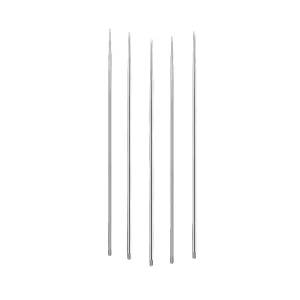
Size: 15/16/17G OD:1.83/1.65/1.47MM.

SPECIFICATIONS

Technical Parameters

Fistula Needle: Precision Vascular Access for Optimized Hemodialysis

AV Fistula Needle Clinical Purpose

Engineered for reliable and comfortable vascular access in renal patients, our fistula needles enable high-flow hemodialysis through arteriovenous (AV) fistulas and grafts. The specialized design minimizes recirculation while maximizing blood flow rates essential for efficient toxin clearance.

Key Advantages

Precision Multi-Bevel Tip
Controlled bevel geometry and symmetry reduce penetration
resistance and vascular trauma.

Smooth Back-Eye Design
Precision-finished back eye provides an additional flow path and helps reduce the risk of vessel-wall occlusion during hemodialysis access.

Thin-Wall High-Flow Cannula
Controlled OD, ID, and wall thickness provide high flow capacity with sufficient column rigidity.

Electropolished & Siliconized Surface
Electropolishing and uniform siliconization reduce surface friction for smoother insertion.

Custom Specifications
15G,16G,17G cannulas, lengths, bevel angles,back-eye profiles, and wall thicknesses can be customized.

Clinical Applications

– Maintenance hemodialysis via AV fistulas/grafts
– Acute renal replacement therapy
– Plasmapheresis procedures
– Pediatric dialysis (17G variant)

Quality Control(ISO 13485 QMS)

100%High-Speed Online Vision Inspection
Automated inspection of bevel geometry, back-eye profile, tip eccentricity, fishhooks, and burrs.

Micro-Cleanliness & Residue Monitoring
Testing for particulates, residual oils, and cleaning residues.

Full-Dimension & Penetration Testing
Verification of OD, ID, wall thickness, straightness, and batch penetration force.

FEATURES

Customization Advantages

Precision engineering for complex medical applications

Geometry Expertise

J-hooks, helical coils, side ports, multi-lumen structures, or patient-specific bends. Micro-barb retention elements, fluid channels (≥50μm ID), or directional drug delivery windows.

Advanced Manufacturing

Laser micromachining precision ±5μm. Electroforming for seamless tapered transitions. Nitinol shape-memory integration for steerable functionality.

Rapid Prototyping

Surgical-grade steel / PEEK 3D-printed prototypes delivered within 72 hours. CFD and structural simulation reports to accelerate product validation.
Ready to Discuss Your Custom Requirements?

Our application engineering team is ready to provide expert support at every step.

RELATED PRODUCTS

Related Products

FAQs

Q: Why do dialysis fistulas get so big?

A: Over time, your fistula should get larger, extending past the lines drawn on your arm when your access was created. This allows more blood to flow through the fistula and into the vein in order to provide a high enough blood flow rate during your hemodialysis treatments.

Q: How painful are dialysis needles?

A: Myth: Dialysis is painful. Fact: If you are on hemodialysis, you may have some discomfort when the needles are put into your fistula or graft, but most patients usually have no other problems. The dialysis treatment itself is painless.

Q: What is the rule of 6 for fistula?

A: The Rules of 6 (flow volume >600 mL/min, vein diameter >6 mm, vein depth <6 mm) are widely used to determine when an arteriovenous fistula (AVF) will support dialysis.

Q: Why would a patient need a fistula?

A: Dialysis fistula creation is a commonly performed procedure for patients who suffer from end-stage renal disease and require permanent vascular access for hemodialysis. Arteriovenous fistulas are the preferred initial access compared to prosthetic grafts or hemodialysis catheters.

Q: How to needle a fistula?

A: The straightest part of your fistula will be used. The arterial needle needs to be put at least 2 inches above the fistula incision (anastomosis). Needle tips need to be at least 1 inch apart. Use the same hole, the same angle, and the same direction each time you needle your fistula.

Q: What is a av fistula needle used for?

A: The primary function of AV fistula needles is to facilitate blood flow from the patient’s body to the dialysis machine and vice versa. The AV fistula needle is inserted into the fistula, and blood is drawn into the dialysis machine, where it undergoes filtration to remove waste products and excess fluid.

GET A FREE CONSULTATION

Get a Free Consultation!

Contact us anytime — share your goals and let’s start the conversation.
Scroll to Top

Get A Free Consultation!