





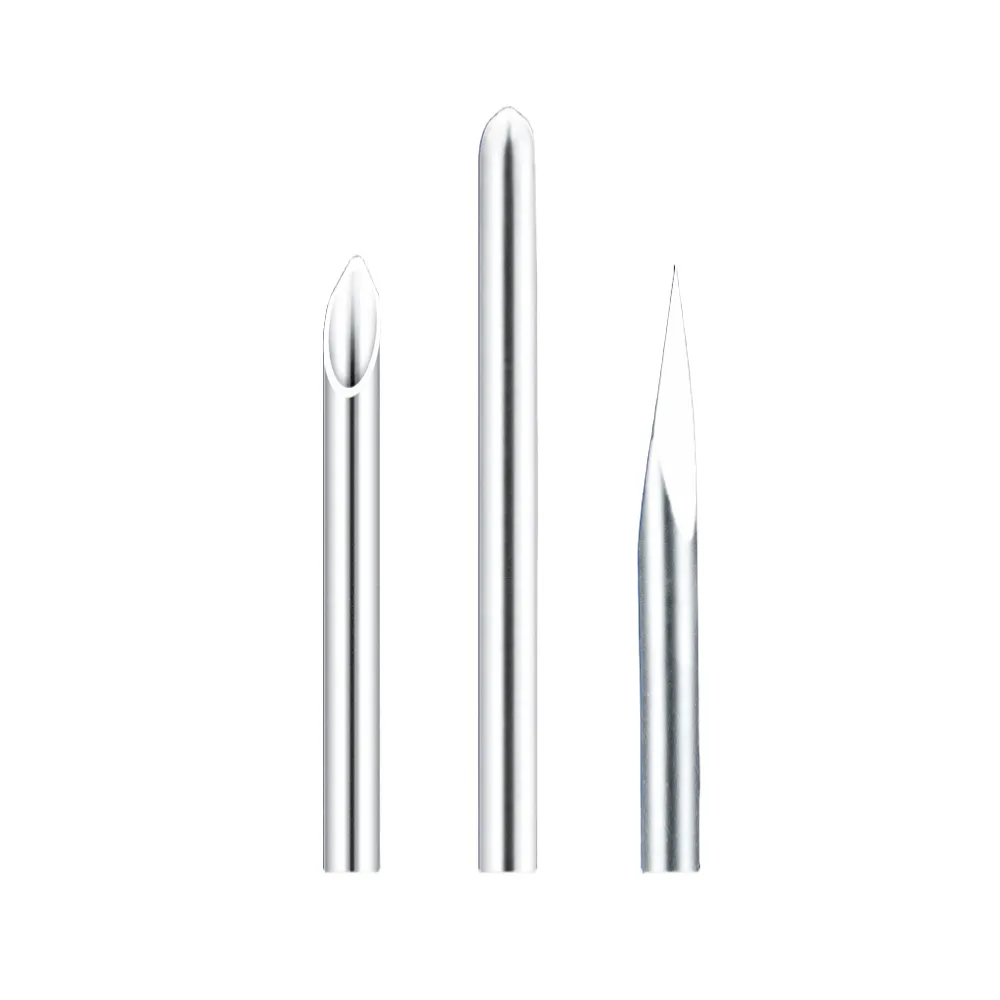
Specially Shaped Needle
SPECIFICATIONS
Technical Parameters
Technical Specifications
| Parameter | Value / Description |
|---|---|
| Product Name | Specially Shaped Needle (Customized Cannula) |
| Gauge Range | 14G – 34G (customizable) |
| Outer Diameter (OD) | 2.1 mm – 0.18 mm (depending on gauge) |
| Needle Length Options | 4 mm – 150 mm (customizable) |
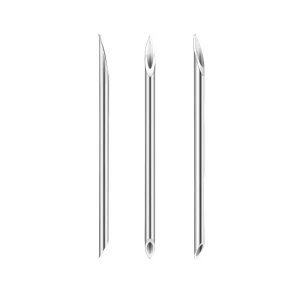
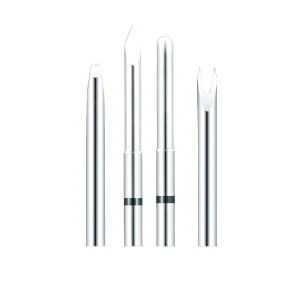
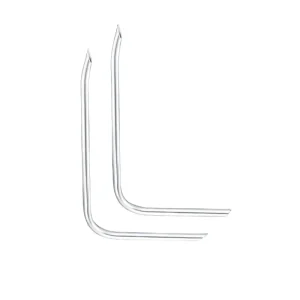
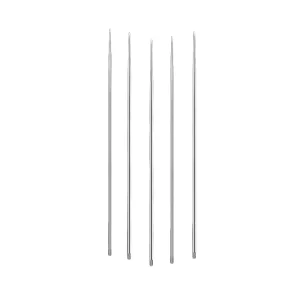
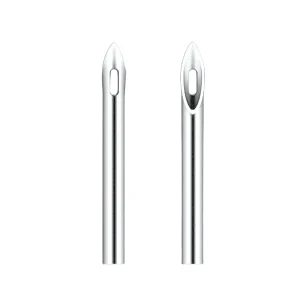
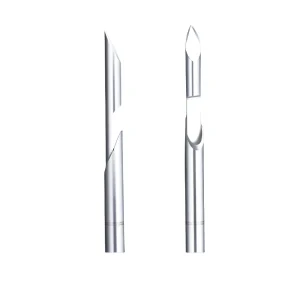
| Needle Geometry | Straight, curved, angled, J-shaped, hooked, irregular (designed per requirements) |
| Cannula Material | Medical-grade stainless steel SUS304 / SUS316L (ISO 9626 compliant) |
| Surface Finish | Electropolished, siliconized, or Teflon-coated (optional, depending on application) |
| Hub Material | Medical-grade polypropylene, stainless steel, or custom design |
| Connection Type | Luer-lock, Luer-slip, or proprietary |
| Sterilization Options | EO (Ethylene Oxide), Gamma irradiation, or non-sterile (for R&D/lab use) |
| Packaging | Individual blister packs or bulk packaging, depending on order |
| Single-Use / Reusable | Typically single-use, but reusable options available upon request |
| Certification | ISO 13485, CE marking, FDA (depending on region and application) |
Specially Shaped Needle: Precision-Engineered Solutions for Complex Medical Challenges
Specially Shaped Needle Innovation Purpose
We pioneer the design and manufacture of non-standard needle geometries to overcome limitations in minimally invasive procedures. Our custom-engineered solutions enable breakthroughs in accessing confined anatomies, delivering novel therapies, and optimizing device-tissue interactions, transforming conceptual medical innovations into clinical reality.
Customization Advantages
Geometry Mastery
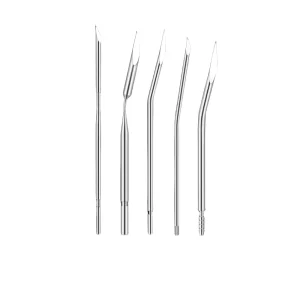
Parametric tip designs: J-hooks, helical coils, side-ports, multi-lumen profiles, or patient-specific curves.
Micro-scale features: Barbed retention elements, fluidic channels (≥50μm ID), or directional drug-elution windows.
Advanced Fabrication
Laser micromachining ±5μm tolerances.
Electroforming for seamless tapered transitions.
Shape-memory alloy integration (Nitinol).
Rapid Prototyping
3D-printed surgical-grade steel/PEEK prototypes in ≤72 hours.
In silico fluid dynamics/structural simulation reports.
| Material | Applications |
|---|---|
| SUS316LVM | High-stress interventions (orthopedic/bone access) |
| Nitinol | Steerable neurovascular/electrophysiology tools |
| PEEK | MRI-guided biopsy systems |
| Gold-plated | Electroporation/ablation electrodes |
Clinical Transformation Examples
-
Ophthalmic Microneedles: 35G kinked-tip design for subretinal drug delivery.
-
Neurological Ports: Curved cannulas bypassing critical brain structures.
-
Brachytherapy Seeds: Barbed deployment needles securing radioactive implants.
End-to-End Development Support
-
Phase 1: CAD/FEA modeling → Phase 2: Animal validation kits → Phase 3: ISO 13485 production
-
Regulatory roadmap: Design dossiers for FDA 510(k)/CE MDR submissions
-
Scalability: Pilot batches (50 units) to mass production (1M+/month)
FEATURES
Customization Advantages
Precision engineering for complex medical applications
Geometry Expertise
J-hooks, helical coils, side ports, multi-lumen structures, or patient-specific bends. Micro-barb retention elements, fluid channels (≥50μm ID), or directional drug delivery windows.
Advanced Manufacturing
Laser micromachining precision ±5μm. Electroforming for seamless tapered transitions. Nitinol shape-memory integration for steerable functionality.
Rapid Prototyping
Surgical-grade steel / PEEK 3D-printed prototypes delivered within 72 hours. CFD and structural simulation reports to accelerate product validation.
Ready to Discuss Your Custom Requirements?
RELATED PRODUCTS
Related Products
Related products
FAQs
Q: What is the slant of a needle called?
A: Bevel: This is the slanted tip of the needle that makes skin penetration easier. The length and angle of the bevel can vary depending on the specific type of needle.
Q: Which needles hurt the least?
A: The needles that hurt the least are those with a smaller diameter, specifically those with a higher gauge number (e.g., 32-gauge or 34-gauge) compared to larger, lower-gauge needles (e.g., 25-gauge or 30-gauge). Shorter needles, such as microneedles that are only 1–3 mm long, are also designed to minimize pain by remaining within the skin. However, the type of needle and the specific body site matter, and some studies have found no difference in pain between certain needle sizes.
GET A FREE CONSULTATION