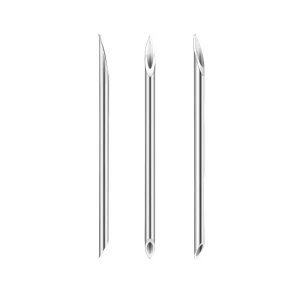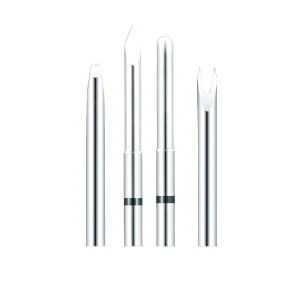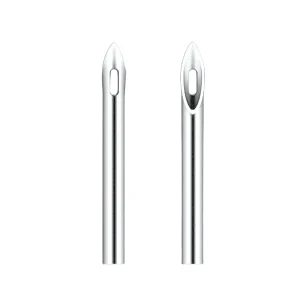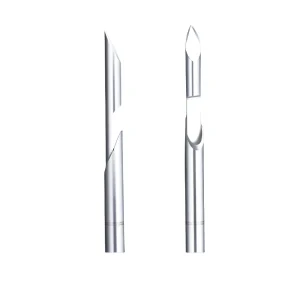





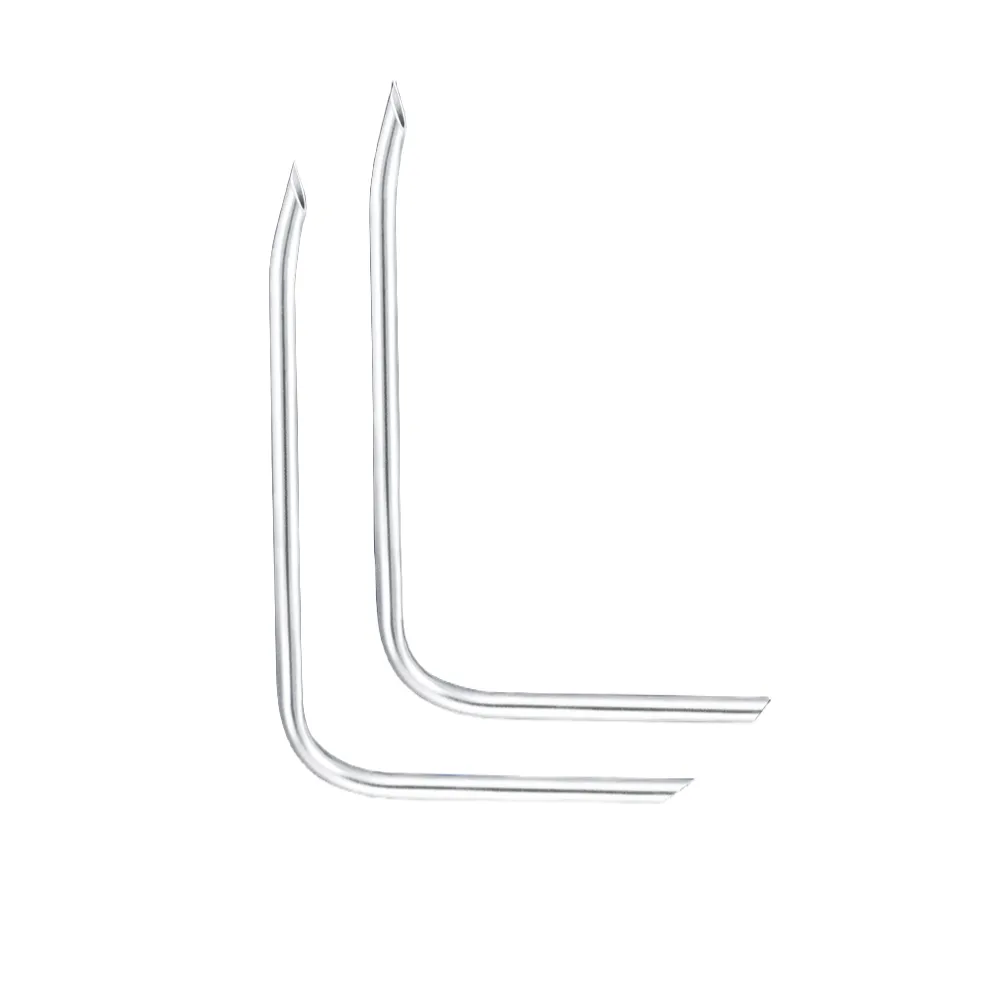
Infusion Needle, Port Access Needle

Infusion Needle, Port Access Needle

Infusion Needle Specification:
1. Type: straight needle, 90-degree right-angle needle.
2. Length: 12-37mm.
3. Specifications: 19-22G.

SPECIFICATIONS

Technical Parameters

Technical Specifications

Parameter Value / Description
Product Name Infusion Needle / Port Access Needle
Needle Type Straight type / 90° right-angle type
Gauge Range 19G – 22G
Outer Diameter (OD) Approx. 1.1 mm (19G), 0.9 mm (20G), 0.8 mm (21G), 0.7 mm (22G)
Needle Length Options 12 mm – 37 mm
Cannula Material Medical-grade stainless steel (SUS304 / SUS316L, ISO 9626 compliant)
Hub Material Medical-grade polypropylene (PP), ergonomic, color-coded (ISO 6009 standard)
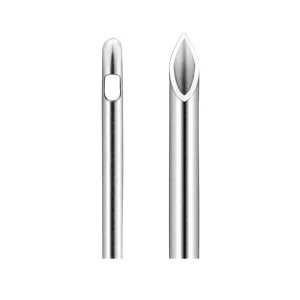
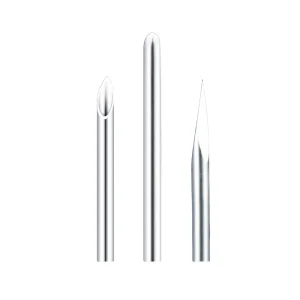
Needle Tip Type Non-coring / Huber-type bevel (minimizes septum damage, extends port life)
Connection Type Standard Luer-lock
Safety Options Available with safety wings, anti-slip base, and fixation wings (optional)
Sterilization Method EO (Ethylene Oxide) sterilized
Packaging Individually blister-packed; 50–100 pcs per box
Single-Use Yes
Certification ISO 13485, CE marking, FDA compliance (region dependent)
Shelf Life 3–5 years under recommended storage conditions

Infusion Needle: Precision Access for Implantable Port Systems

Infusion Needle Clinical Purpose

Engineered for reliable, leak-proof access to implanted vascular ports, our infusion needles enable safe delivery of chemotherapy, parenteral nutrition, and long-term IV therapies. The specialized design minimizes coring risk while ensuring secure anchoring during continuous infusions.

The Key Advantages of the Port Access Needle

Optimal Port Integrity
Non-coring bevelled tip (Huber point design) cleanly penetrates silicone septums without generating fragments.
90° right-angle configuration reduces tubing stress and prevents needle dislodgement during patient movement.

Enhanced Safety & Comfort
Low-profile wings with silicone adhesive pads distribute pressure evenly (IAP ≤20mmHg).
Gradual taper transition from needle to tubing eliminates tissue drag (VAS pain ≤2/10).

Procedural Efficiency
Color-coded hubs enable instant gauge identification.
Integrated flashback chamber confirms venous access.

Advanced Material Engineering

  • Cannula: Electropolished SUS304 stainless steel (Ra ≤0.1μm).

  • Wings: Latex-free medical TPE with skin-friendly hydrogel adhesive.

  • Tubing: DEHP-free PUR (1.2m length, 300+ hour chemical resistance).

Port Access Needle Clinical Applications

  • Chemotherapy infusion via implanted ports

  • Long-term antibiotic therapy

  • Blood transfusion access

  • Contrast agent administration in radiology

Quality & Safety Compliance

  • Sterile EO gamma-packed │ ISO 10555-5 │ FDA 510(k) K231155 │ CE MDR Class IIa

  • Non-pyrogenic │ Single-use blister packaging

  • Safety variants: Passive needle guards │ Blood control valves

FEATURES

Customization Advantages

Precision engineering for complex medical applications

Geometry Expertise

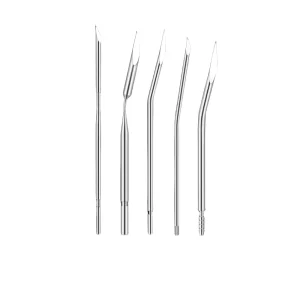
J-hooks, helical coils, side ports, multi-lumen structures, or patient-specific bends. Micro-barb retention elements, fluid channels (≥50μm ID), or directional drug delivery windows.

Advanced Manufacturing

Laser micromachining precision ±5μm. Electroforming for seamless tapered transitions. Nitinol shape-memory integration for steerable functionality.

Rapid Prototyping

Surgical-grade steel / PEEK 3D-printed prototypes delivered within 72 hours. CFD and structural simulation reports to accelerate product validation.
Ready to Discuss Your Custom Requirements?

Our application engineering team is ready to provide expert support at every step.

RELATED PRODUCTS

Related Products

FAQs

Q: What is the use of an infusion needle?

A: An infusion set, such as a winged infusion set or butterfly needle, is a medical device used for venipuncture procedures. It involves a needle with plastic wings that allow for better control during the procedure, ensuring successful insertion into a vein for administering fluids or medications.

Q: What is the name of the needle used for infusion?

A: A butterfly needle is a device that your healthcare provider may use to draw blood from your vein. They also use it to deliver fluids or medications into your veins. It’s also known as a winged infusion set or a scalp vein set. It gets its name from the two butterfly “wings” on either side of the needle.

Q: What is the needle for IV called?

A: The name for an IV needle depends on the type of device. Common names include intravenous cannula, IV catheter, butterfly needle (also called a winged infusion set or scalp vein set), and hypodermic needle. The specific term often refers to the needle’s design and purpose.

Q: What needle is used to access a port?

A: Safety Huber needle: Safety Huber needle with a thick cushioned needle platform to support patient comfort. Non-safety Huber Needle with a small footprint base, and a thick cushioned needle platform to support patient comfort. A non-safety port access needle to administer or withdraw fluids from implantable ports.

Q: How long can a port needle stay in?

A: The needle can be left in place for up to seven days with a special protective dressing and use of a Biopatch. Can be used for IV fluids, chemotherapy, antibiotics, blood products or intravenous nutrition. It may also be used to draw blood. A “power-injectable” port can be used for intravenous contrast.

GET A FREE CONSULTATION

Get a Free Consultation!

Contact us anytime — share your goals and let’s start the conversation.
Scroll to Top

Get A Free Consultation!