







Insulin Pen Needle

Insulin Pen Needle

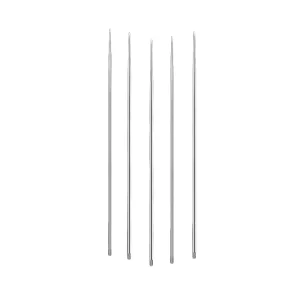
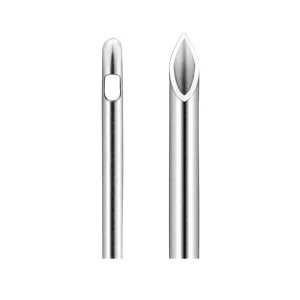
Featuring a dual-ended needle design, the patient end is optimized for low-force penetration for subcutaneous injection, while the cartridge end ensures clean penetration through the cartridge rubber septum. Precision-ground on Japanese automated grinding machines for consistent quality and high performance.

Product Specification:
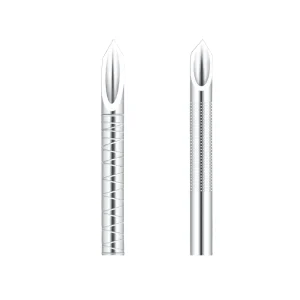
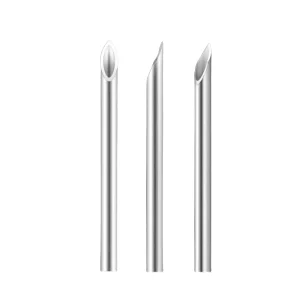
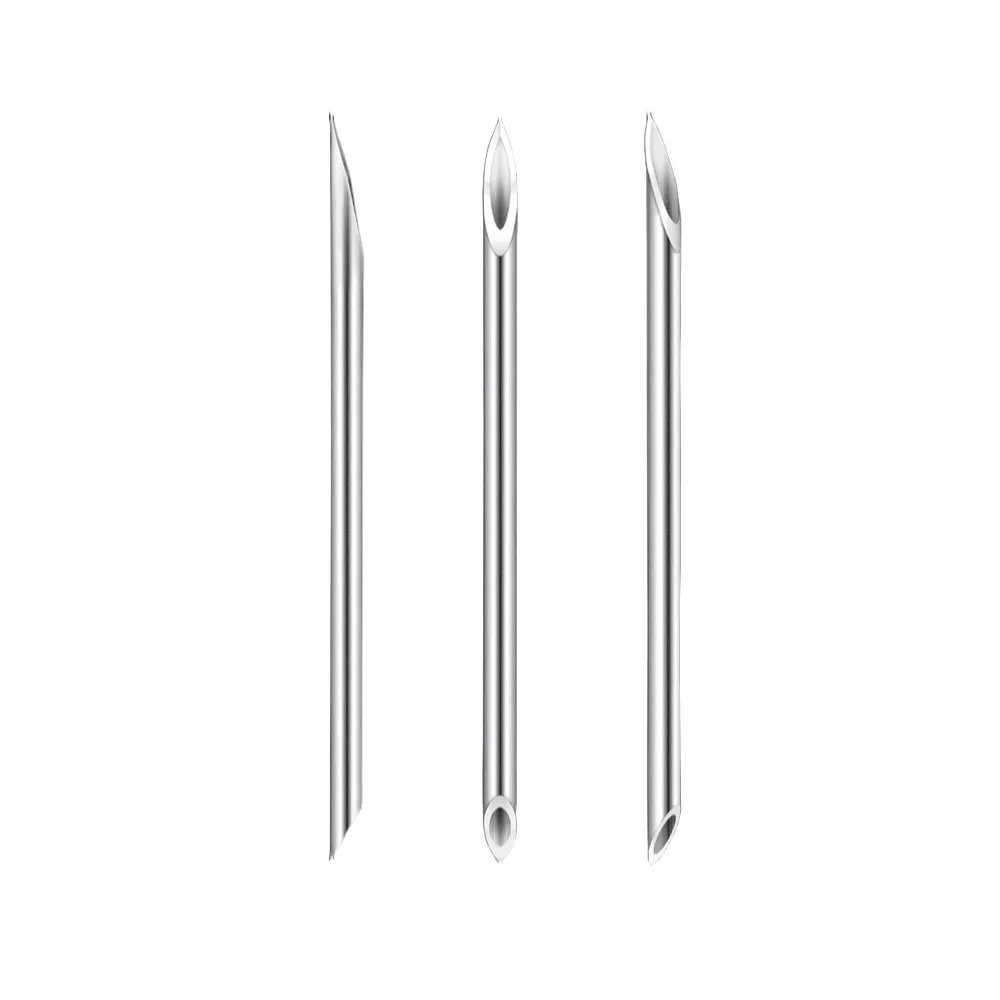
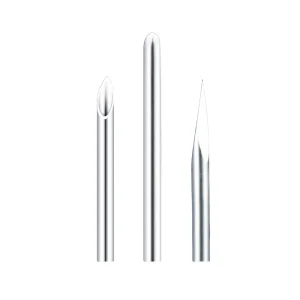
Needle type: short blade type, three, five-face type.

SPECIFICATIONS

Technical Parameters

Parameter Specification
Needle Profile Short Blade, 3-Bevel, 5-Bevel
Gauges 30G(0.3mm) ~ 34G(0.18mm)
Lengths 4mm / 5mm / 6mm / 8mm (±0.1mm)
Wall Thickness RW/TW/ETW/UTW

Insulin Pen Needle Tips: Precision Engineered for Painless Diabetes Management

Insulin Pen Needle Tips: Clinical Purpose

Our ultra-fine insulin pen needles deliver uncompromising accuracy in subcutaneous medication administration for patients with diabetes. Designed for daily use with insulin pens, they ensure consistent dosing while minimizing tissue trauma, critical for glycemic control and treatment adherence.

Key Advantages

Precision Multi-Bevel Grinding
Available in standard 3-bevel and advanced 5-bevel configurations, offering ultra-low penetration resistance to maximize patient comfort.

Anti-Fragmentation Cartridge-End Tip
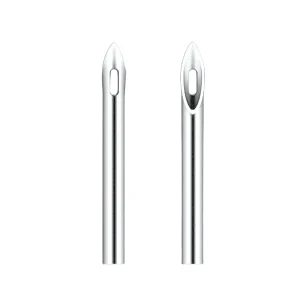
The cartridge end is mechanically optimized for clean elastomeric septum piercing, preventing coring, rubber fragmentation, and fluid-path clogging while preserving seal integrity.

Ultraclean Washing & Degreasing
Multi-stage ultrasonic cleaning and WFI rinsing thoroughly remove processing greases and metallic particulates from both internal and external surfaces.

Zero-Burr & Anti-Fishhook Tip
Cutting edges are pristine and smooth, free of roll-overs, burrs, or fishhooks.

Tight Thin-Wall Tolerances
Tight wall-thickness increases the effective lumen and helps reduce flow resistance during drug delivery.

Clinical Applications

Daily insulin administration (basal/bolus).
GLP-1 agonist injections (e.g., semaglutide).
Pediatric diabetes care.
Travel medicine kits.

FEATURES

Customization Advantages

Precision engineering for complex medical applications

Geometry Expertise

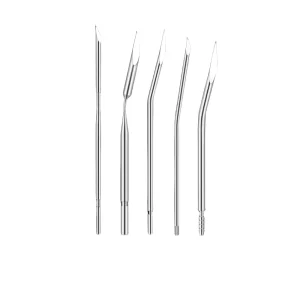
J-hooks, helical coils, side ports, multi-lumen structures, or patient-specific bends. Micro-barb retention elements, fluid channels (≥50μm ID), or directional drug delivery windows.

Advanced Manufacturing

Laser micromachining precision ±5μm. Electroforming for seamless tapered transitions. Nitinol shape-memory integration for steerable functionality.

Rapid Prototyping

Surgical-grade steel / PEEK 3D-printed prototypes delivered within 72 hours. CFD and structural simulation reports to accelerate product validation.
Ready to Discuss Your Custom Requirements?

Our application engineering team is ready to provide expert support at every step.

RELATED PRODUCTS

Related Products

FAQs

Q: What needle is used for insulin?

A: Insulin is administered with small, fine needles, typically ranging from 32 to 29 gauge and 4 to 12 mm (or 5/32to 1/2 inch) in length, depending on your body type and the injection site. The specific needle size is chosen based on a doctor’s recommendation to ensure the insulin is injected into the subcutaneous tissue and not the muscle, with 4mm needles being effective for most adults.

Q: Is an insulin pen needle painful?

A: Insulin needles do not typically hurt, especially with modern pens that use very small, thin needles designed to go into the fatty layer under the skin. While some discomfort is possible, proper technique, using the right needle size, and rotating injection sites can minimize pain.

Q: Can you feel an insulin pen needle?

A: Using an insulin pen does not usually hurt. The needles are very small as you only inject a small amount into the layer of fat just under your skin.

Q: Where is the least painful place to inject insulin?

A: For many people, the abdomen is the least painful injection site due to its large surface area of fatty tissue, but the upper outer thighs and buttocks are also good options. The best way to minimize pain is to rotate injection sites, use a new needle for each injection, and ensure the insulin is injected into the subcutaneous fat layer, not the muscle. Relaxing the muscle before injecting can also help reduce discomfort.

GET A FREE CONSULTATION

Get a Free Consultation!

Contact us anytime — share your goals and let’s start the conversation.
Scroll to Top

Get A Free Consultation!